
Acer laxiflorum
Acer laxiflorum
Description
Growing requirements
Acer laxiflorum, commonly known as the lax-flowered maple, belongs to the Sapindaceae family. It is a deciduous species native to the mountainous regions of central and western China.
The species requires a cool, temperate climate with adequate moisture. It thrives in locations that provide partial shade, particularly protecting the foliage from intense midday sun in hotter climates.
Regarding soil, this tree performs best in rich, moist, and well-drained soils. It prefers an acidic to neutral pH level, which helps in the efficient uptake of soil nutrients for vigorous growth.
Cultural practices include consistent watering during dry periods, especially for younger plants. Proper mulching around the root zone is recommended to maintain soil moisture and protect roots from extreme temperature fluctuations.
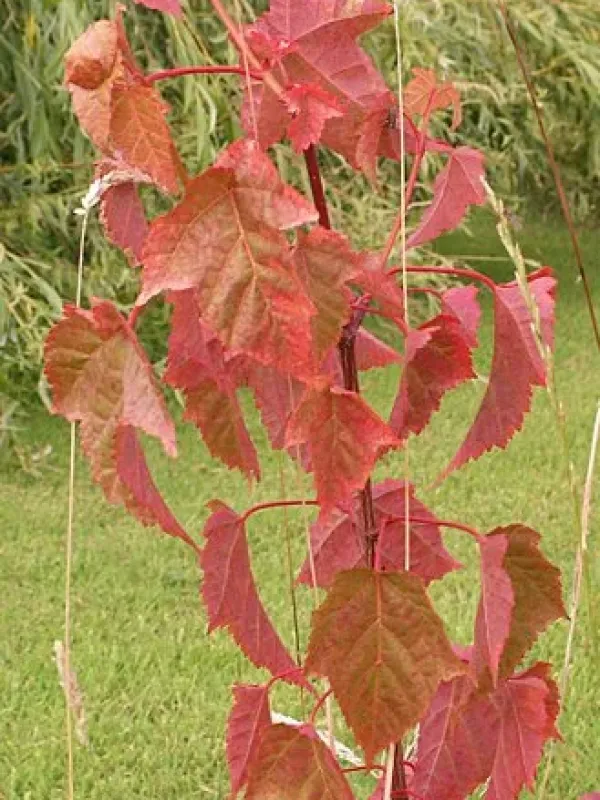
The tree is primarily used for ornamental purposes in gardens and arboretums. It is highly valued for its distinct striped bark and the vibrant orange-red colors of its leaves during the autumn season.
Main diseases and pests
Common diseases affecting this species include powdery mildew and fungal leaf spots, which often occur when environmental conditions are excessively humid or if there is poor air circulation.
Pests such as scale insects and aphids may occasionally infest the tree. Regular monitoring of the underside of leaves and twigs is recommended to detect these populations early.
Root rot is a major threat caused by improper drainage. Ensuring that the soil does not remain waterlogged is crucial for the long-term health and survival of the specimen.
Pruning should be limited to the removal of dead, damaged, or crossing branches. Maintaining a clear structure helps improve ventilation throughout the canopy, reducing the risk of disease.
In case of severe infestations or persistent infections, integrated pest management strategies should be applied to protect the tree while maintaining the ecological balance of the garden area.