
Acer erianthum
Acer erianthum
Description
Growing requirements
Acer erianthum, known as the woolly-flowered maple, belongs to the Sapindaceae family. This species originates from the temperate forest regions of China and is highly regarded in botanical collections for its unique floral characteristics.
In terms of climate requirements, the plant thrives in cool to temperate environments with consistent moisture. It performs best when sheltered from intense afternoon sunlight, which can cause leaf scorch in younger specimens.
The soil profile for optimal growth should be nutrient-rich, moist, and well-drained. It prefers slightly acidic to neutral soil conditions. Proper soil structure is essential, as the roots are sensitive to waterlogging, necessitating good drainage systems in the planting site.
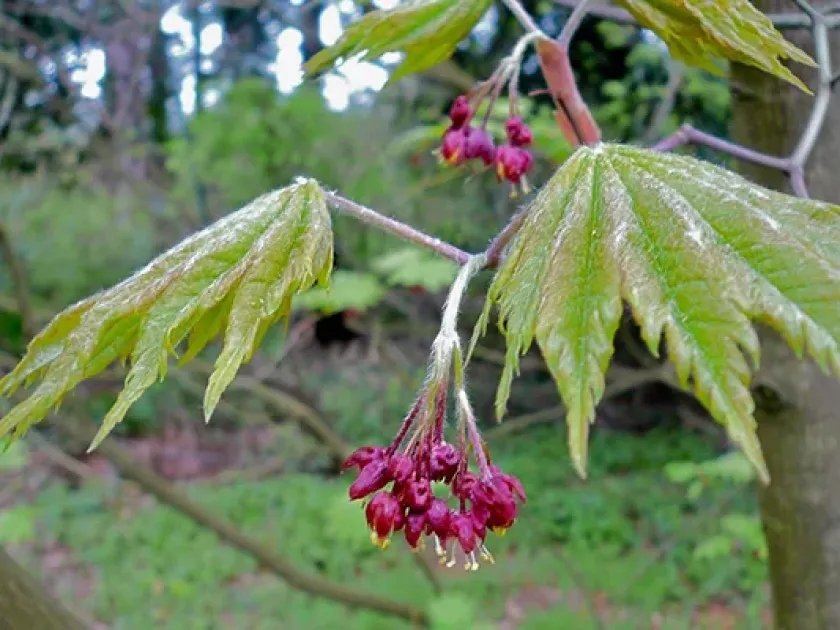
Botanically, the species is distinguished by its distinct woolly pubescence on the inflorescences, providing a soft texture. The foliage is typical of the maple genus, offering an aesthetic appeal that changes throughout the growing season.
Cultivation practices involve routine maintenance such as mulching to preserve soil moisture and protect the root zone from temperature fluctuations. While it grows slowly, regular organic feeding in early spring supports healthy canopy development.
Main diseases and pests
The primary threats to Acer erianthum include fungal pathogens that thrive in high-humidity conditions, particularly powdery mildew, which can affect the leaves and reduce the plant's overall decorative quality.
Pest pressures primarily involve aphids and mites that infest the undersides of leaves or tender new growth. Integrated pest management strategies, focusing on biological controls, are recommended for long-term health.
Disease prevention is largely achieved through good horticultural practices. Ensuring that the canopy is not overly dense allows for adequate light penetration and airflow, which naturally inhibits many fungal and bacterial infections.
Sanitation is critical; all fallen leaves should be cleared and disposed of at the end of the season to prevent the overwintering of pathogens that could reinfect the tree the following spring.
In case of severe infestations or infections, the use of targeted systemic treatments is advised. Consistent monitoring ensures that the maple remains vigorous and resistant to potential biological stressors.