
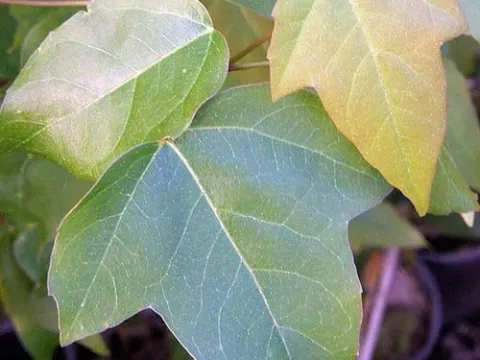
Acer discolor
Acer discolor
Acer discolor, belonging to the Sapindaceae family, is a deciduous tree native to East Asia. It is highly regarded in horticulture for its distinct foliage and architectural growth habit, making it an excellent candidate for temperate landscapes.
What the section contains
Acer discolor
The tree thrives in well-drained, fertile soil that maintains consistent moisture. A slightly acidic to neutral soil pH is ideal for promoting nutrient uptake and ensuring vigorous growth during the spring and summer seasons.
Regarding climate, this species prefers sheltered locations protected from harsh winds and intense, direct sunlight, especially during its juvenile phase. Its hardiness allows it to establish well in regions with moderate annual precipitation.
Agronomic management involves providing adequate space for root expansion and crown development. Regular mulching is recommended to stabilize soil temperature and conserve moisture, which is vital for the tree's long-term health and vitality.
In landscaping, Acer discolor is valued for its ornamental appeal, particularly its leaf texture and structural integrity. It serves as a significant specimen in botanical collections and residential gardens requiring long-term, stable woody plants.
Like many species in the maple genus, Acer discolor is susceptible to powdery mildew when planted in environments with poor air circulation. Implementing proper spacing is the most effective cultural method to mitigate this risk.
Common insect pests include aphids and leaf-rolling caterpillars, which can impact foliage health. Integrated pest management, including the use of horticultural oils and specific systemic insecticides, should be employed at the first sign of infestation.
Verticillium wilt is a serious soil-borne fungal pathogen that targets the vascular system of the maple. Maintaining optimal soil conditions and avoiding root damage are the primary strategies to prevent the introduction of this disease.
Boring insects may infest trees that are under environmental stress, such as drought or mechanical injury. Routine inspections of the trunk and branches are essential to identify early signs of boring activity and prevent tree decline.
Proper nutrient management, including balanced fertilization, plays a crucial role in enhancing the tree's resistance to both diseases and environmental stressors. Timely pruning of dead or diseased wood is critical to sustaining the health of the canopy.