
Acer argutum
Acer argutum
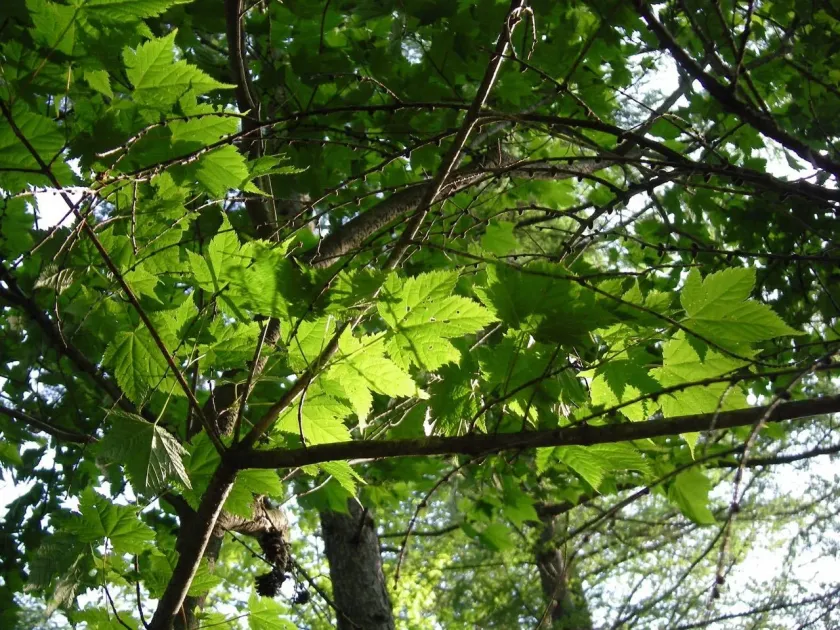
Description
Sowing dates
Sowing seeds of Acer argutum is most effective when done in the autumn. The natural cycle of winter temperatures facilitates the breaking of seed dormancy, ensuring a high germination rate in the spring.
In nursery settings, seeds are sown in prepared beds at a depth of 3–4 centimeters. The soil must be loose and friable to ensure that the delicate seedlings can emerge easily without mechanical resistance.
For spring sowing, seeds must undergo a cold stratification process for 3 to 4 months at temperatures between 1 and 5 degrees Celsius. This mimics winter conditions and is essential for successful sprouting.
Spacing between rows should be sufficient to allow for mechanical weeding and air circulation. A distance of 40–50 centimeters is generally recommended for optimal growth during the first two years.
Young seedlings are sensitive to direct sun. Shading the nursery beds during the first growing season prevents dehydration and promotes faster establishment of the root system.
Growing requirements
Acer argutum, commonly known as the sharp-toothed maple, belongs to the Sapindaceae family. It is native to the mountain forests of Japan and Korea, requiring specific conditions to thrive.
The tree prefers deep, fertile, and well-drained soils. It performs best in conditions where organic matter content is high, providing the necessary nutrients for its moderate growth rate.
While the tree is hardy, it requires protection from severe, drying winds which can damage its leaves. It thrives best in partial shade or areas with dappled sunlight throughout the day.
The soil pH should ideally be neutral or slightly acidic. On highly alkaline soils, the plant may exhibit chlorosis, which hinders its development and reduces its overall aesthetic appeal.
- Consistent moisture levels
- Good soil aeration
- Protection from hot afternoon sun
- Rich organic mulch cover
Yield
The primary value of Acer argutum is its ornamental use in landscaping. Its elegant, sharp-toothed foliage provides visual interest throughout the season, especially during autumn coloration.
In forestry, while rarely grown for mass timber, it is recognized for its fine grain and density. It is highly valued in specialty woodworking where a durable and attractive wood is required.
The annual growth rate is steady but moderate. Mature trees can reach heights of 10–12 meters, creating a dense canopy that serves as an excellent feature in botanical gardens and private estates.
Seed production is consistent in mature individuals. The seeds are an important genetic resource for breeding programs and conservation efforts aimed at preserving the biodiversity of the genus.
As a landscape plant, it contributes to the structural diversity of garden designs. Its ability to adapt to different environmental niches makes it a versatile species for horticulturists.
Main diseases and pests
Powdery mildew is a common fungal threat to Acer argutum, particularly in humid climates. Proper thinning of the canopy to improve air circulation is a primary preventative measure.
Leaf-eating insects can cause significant cosmetic damage. Monitoring programs during the peak growing season allow for targeted intervention, minimizing the need for broad-spectrum chemical sprays.
Aphid infestations are frequently observed on young shoots. While rarely lethal to mature trees, they can stunt the growth of young saplings by depleting essential plant nutrients.
Root rot is a major risk in waterlogged soils. Ensuring that the planting site has excellent drainage is critical to preventing the onset of these soil-borne pathogens.
Mechanical injuries to the bark should be addressed immediately. Open wounds serve as entry points for fungi and bacteria that can lead to the systemic decay of the tree trunk.