
Acer calcaratum
Acer calcaratum
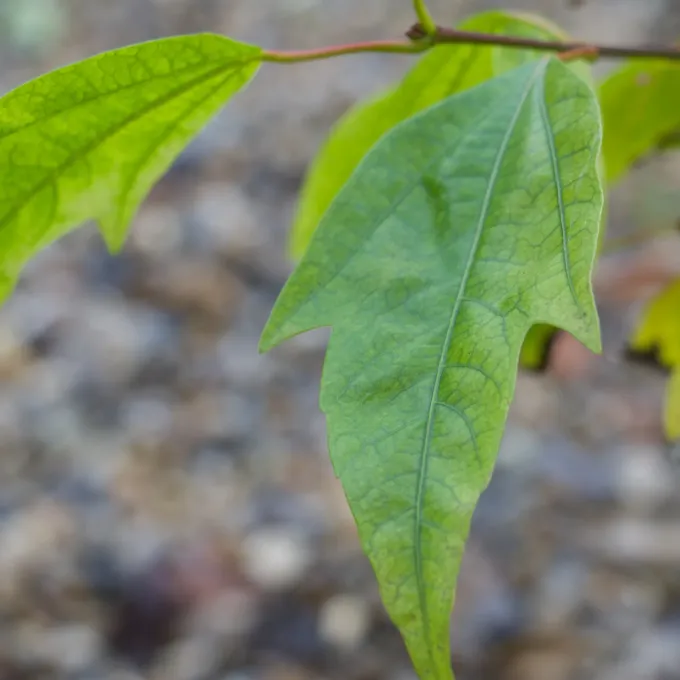
Description
Sowing dates
Propagation of Acer calcaratum primarily relies on seed stratification, which is essential to overcome natural dormancy. Seeds should be kept in cold, moist conditions for approximately three months before spring sowing.
When sowing in nursery beds, ensure the soil is loose and well-draining to allow the young radicle to establish itself without resistance. Depth of sowing should not exceed three times the diameter of the seed.
Vegetative propagation via cuttings is a viable alternative for clonal consistency. Using semi-hardwood cuttings treated with rooting hormones during the late summer can yield successful results for specialized plantations.
Young seedlings require meticulous care during their first year. Providing temporary shade and consistent moisture is crucial to prevent dehydration during high-temperature spells in the late spring.
Once seedlings have reached a sufficient height, usually after one or two growing seasons, they are ready to be transplanted to their permanent location with ample spacing to support long-term crown expansion.
Growing requirements
Acer calcaratum thrives in fertile, loamy soils that maintain moisture without becoming waterlogged. The species responds well to neutral to slightly acidic pH levels, which support optimal nutrient uptake.
While the tree is adaptable, it prefers positions with moderate light. Full sun exposure is beneficial for adult specimens, but young saplings perform best when protected from harsh afternoon sun during their initial growth years.
Temperature tolerance is a defining feature of the species. It is well-suited for temperate climates, although young plants may require protective mulching or coverage in areas prone to sudden and extreme frost events.
Agricultural maintenance involves regular mulching of the root zone, which mimics forest conditions and helps maintain stable soil moisture levels throughout the dry summer months.
Fertilization regimes should focus on balanced NPK ratios during the active growing season. Avoid late-season nitrogen applications to prevent the growth of tender tissues that would be vulnerable to early autumn frost.
Main diseases and pests
Fungal diseases, including powdery mildew and various leaf spot pathogens, are the most frequent issues. Maintaining good airflow through thinning of the canopy is a primary preventative cultural practice.
Pest management focuses on monitoring for sap-sucking insects like aphids and mites. Early detection allows for the use of soft soaps or biological control agents before the infestation reaches a critical threshold.
Bark borers can present a serious threat to the health of the trunk. Keeping the trees vigorous through proper fertilization and watering is the best defense against these internal wood-feeding pests.
Abiotic stress, such as drought or mineral toxicity, can manifest as necrotic leaf margins. Regular soil testing helps ensure that the substrate remains free of harmful contaminants and balanced in essential minerals.
An integrated pest management strategy, prioritizing preventative measures over curative chemicals, ensures the longevity and productivity of the plantings in various landscape settings.