
Homalium tomentosum
Homalium tomentosum
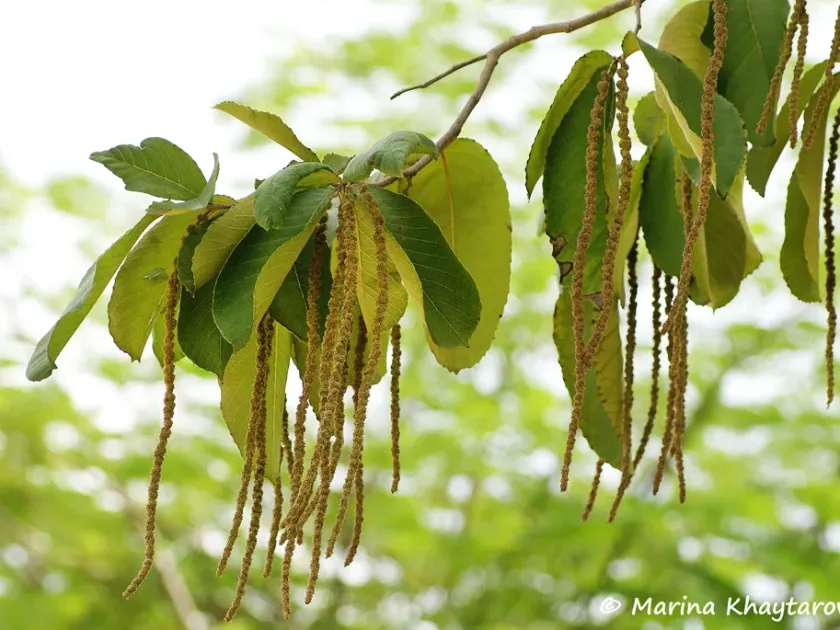
Description
Growing requirements
Homalium tomentosum is a notable member of the Salicaceae family, recognized for its robust growth in tropical forest ecosystems. The species is native to Southeast Asia, thriving particularly in countries like Myanmar, Thailand, and Laos.
The climate requirements for this species include high annual temperatures and significant rainfall, typical of monsoon tropical zones. It prefers environments where the air humidity remains consistently elevated throughout the growth cycle.
Regarding soil preferences, the tree performs best on deep, well-draining, and nutrient-rich soils. It is sensitive to waterlogged conditions, making the selection of well-drained terrain vital for healthy development.
Agronomic management involves providing adequate shade to young saplings, reflecting their natural forest-understory origin. As the trees mature, they develop a higher tolerance for direct sunlight and fluctuating environmental conditions.
Proper propagation is usually achieved through seed cultivation in nursery settings before transplantation into managed forest zones or plantations to ensure a high survival rate.
Yield
The primary economic focus of Homalium tomentosum is its high-density timber, which is highly sought after in the construction and furniture industries. The wood is prized for its durability, hardness, and fine grain pattern.
Commercial yields are measured by the quality and volume of timber harvested per hectare. The wood is frequently utilized for high-end carpentry, flooring, and structural applications that require significant load-bearing capacity.
Given the slow to moderate growth rate, the production cycle requires long-term commitment. However, the premium quality of the wood provides strong economic incentives for forest plantation development.
Secondary uses of the tree include applications in traditional medicine and rural handicrafts, although these are secondary to its core value as a timber source.
Yield optimization is achieved through consistent silvicultural practices, including thinning and protection from biological threats, which ensure the growth of straight and healthy trunks.
Main diseases and pests
Biological threats to Homalium tomentosum primarily include fungal pathogens that exploit excess moisture in the rhizosphere. Root rot remains one of the most common issues in poorly drained plantation sites.
Pests, particularly wood-boring insects, can cause significant damage to the trunk and sapwood if left uncontrolled. Monitoring for early signs of infestation is a standard component of plantation health management.
Climatic stress, such as extreme wind gusts, can cause structural damage to the crown of mature trees. This damage can eventually lead to secondary infections by pathogens and pests.
Vegetation management is critical in the early stages, as competitive growth from invasive weeds can impede the establishment of the young trees. Mechanical clearing is often employed to mitigate this issue.
The integrated pest management approach, which focuses on preventative measures and early detection, is essential for maintaining the productivity and longevity of the timber stands.