
Homalium dentatum
Homalium dentatum
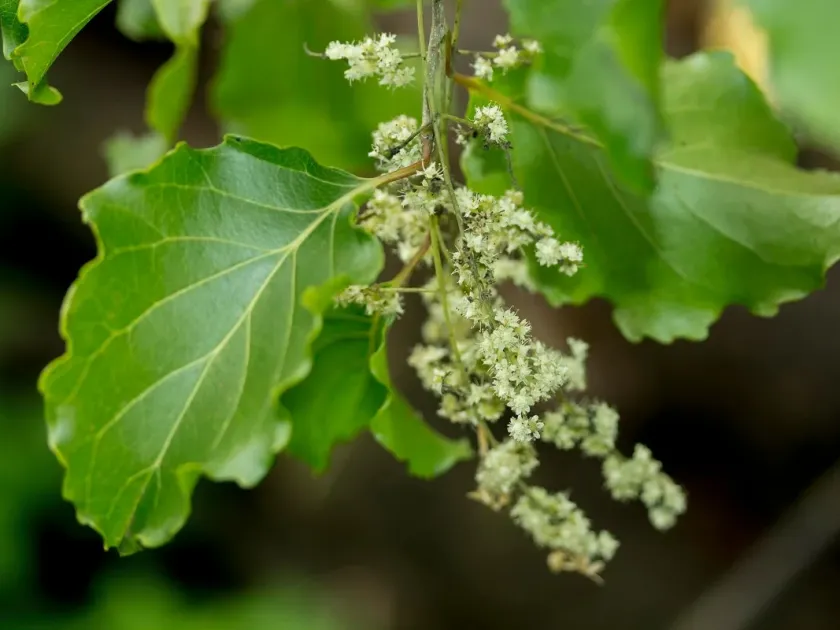
Description
Growing requirements
Homalium dentatum is a species of evergreen tree belonging to the family Salicaceae. It is native to the tropical regions of Southeast Asia, where it thrives in humid forest ecosystems that maintain consistent temperatures throughout the year.
The climatic requirements for this species are strictly tropical. It cannot survive in freezing temperatures and prefers environments with high ambient humidity. Consistent rainfall patterns are essential for maintaining the vegetative growth of the plant.
Soil conditions are a significant factor in the health of Homalium dentatum. It performs best in deep, well-drained, and nutrient-rich soils. Poor drainage can result in root rot, making site selection a critical part of the initial planting process.
Regarding light exposure, young specimens require partial shading to prevent leaf scorch. As the trees mature, they become more tolerant of full sun, which is necessary for the development of a dense and healthy canopy structure.
Agronomic management involves regular monitoring for soil fertility and competition from weeds. Since the tree has a moderate growth rate, consistent care during the early stages is required to establish a robust root system capable of supporting long-term growth.
Harvesting
The primary economic value of Homalium dentatum lies in its timber production. The wood is recognized for its density, strength, and attractive grain, making it highly suitable for high-end furniture manufacturing and specialized carpentry.
Sustainable harvesting practices are crucial when dealing with tropical timber species. Selective logging ensures that the forest ecosystem remains functional while providing a continuous supply of high-quality raw materials for the market.
Once the trees reach commercial maturity, they are harvested and processed into timber. This wood is prized for its durability and resistance to wear, often utilized in flooring and luxury interior woodwork applications.
Post-harvest treatment is vital for the quality of the final product. Proper seasoning and kiln-drying techniques are employed to reduce the moisture content of the wood, which prevents warping and cracking in future applications.
The integration of this species into sustainable plantation models is a growing interest for forestry sectors. By managing its growth cycles, producers can ensure the availability of this valuable tropical hardwood for future industrial and artisanal needs.