
Homalium foetidum
Homalium foetidum
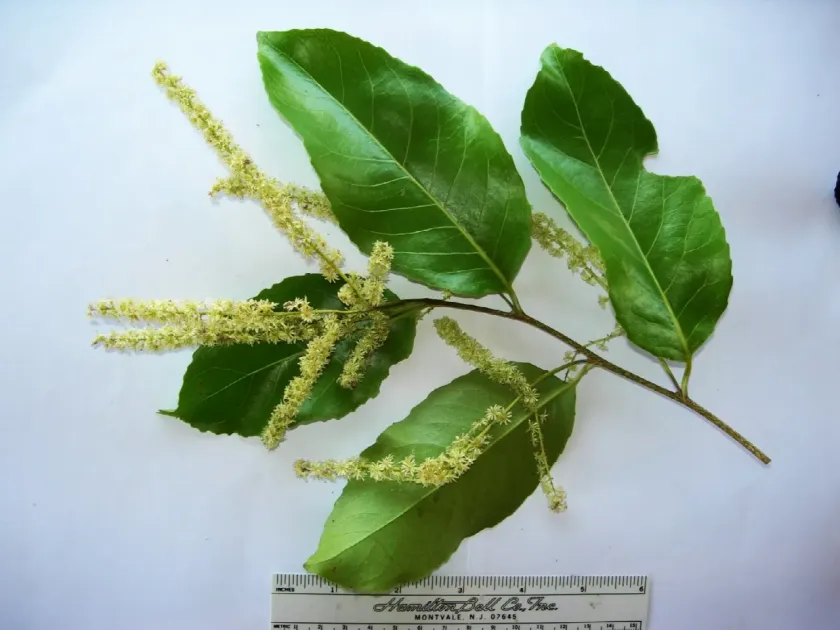
Description
Sowing dates
Homalium foetidum is a tropical tree species typically propagated via seeds collected from mature specimens. Due to the rapid loss of viability in tropical seeds, sowing must occur shortly after harvest to ensure successful germination in controlled nursery settings.
Seeds should be sown in a well-draining, nutrient-rich substrate at a shallow depth to facilitate emergence. Maintaining high humidity levels in the seedbed is essential, as even brief periods of desiccation can significantly reduce the success rate of the planting process.
The nursery stage requires careful management of sunlight exposure. Providing partial shade protects young seedlings from intense tropical radiation, allowing them to establish a robust root system before being hardened off for outdoor planting.
Once seedlings reach a manageable height of 30-50 centimeters, they are ready for field transplantation. This transition requires careful handling to prevent root shock, typically performed during the onset of the wet season to take advantage of natural rainfall.
Strategic spacing in plantations is vital for long-term health and wood quality. Proper density allows for maximum resource capture while reducing competition among trees, which ultimately facilitates the development of high-quality timber for future harvesting.
Growing requirements
As a member of the Salicaceae family, Homalium foetidum thrives in deep, fertile soils within equatorial climates. The species demands consistent temperatures throughout the year, as it lacks the physiological mechanisms to withstand cold stress or freezing conditions.
High relative humidity is a prerequisite for optimal growth. In environments where humidity levels drop significantly, the tree may exhibit signs of physiological stress, including reduced growth rates and increased susceptibility to environmental pathogens.
The soil should be managed to ensure adequate drainage while maintaining a moisture-retentive capacity. Neutral to slightly acidic soil pH levels are generally considered ideal for promoting nutrient uptake and overall tree vigor in plantation settings.
Agricultural maintenance involves regular monitoring of soil health and the application of organic amendments where necessary. Mulching around the base of the trees helps retain soil moisture and limits the encroachment of unwanted herbaceous vegetation.
The primary utility of this tree lies in its dense and durable wood. It is highly valued for construction, outdoor furniture, and specialized wood products that require resistance to decay, making it a sustainable choice for managed forestry programs.
Main diseases and pests
The major threats to Homalium foetidum populations include wood-boring insects and other pests that can compromise the integrity of the timber. Integrated pest management strategies are crucial to preserving the economic value of the wood in production forests.
Fungal infections, particularly those that thrive in high-humidity tropical environments, can affect both the roots and the bark. Ensuring proper spacing and airflow within the plantation is an effective preventative measure against widespread infection.
Invasive species can outcompete young Homalium trees for sunlight and nutrients. Aggressive weeding programs during the initial years of the plantation cycle are necessary to ensure that the primary crop is not suppressed by more rapidly growing weeds.
Habitat loss due to land conversion remains the most significant threat to wild populations of this species. Promoting plantation-based cultivation is seen as a viable way to satisfy industrial timber demand while reducing the pressure on natural tropical forests.
Poor agricultural practices, such as incorrect irrigation or inadequate soil nutrient management, can lead to stunted growth. Professional oversight is required to ensure that the trees maintain the health necessary to reach their full potential at harvest time.