
Homalium longistylum
Homalium longistylum
Description
Growing requirements
Homalium longistylum belongs to the Salicaceae family and is native to the tropical regions of Southeast Asia. This tree species is well-adapted to the high-temperature and high-humidity environments characteristic of its natural forest habitat.
The tree thrives in stable tropical climates with minimal seasonal temperature fluctuations. It requires high annual rainfall to maintain its growth rates and development, making it suitable for equatorial reforestation projects.
Optimal soil conditions for this culture include deep, nutrient-rich soils that possess excellent drainage properties. While the species appreciates moisture, waterlogged soils are detrimental to root health and overall survival during the sapling stage.
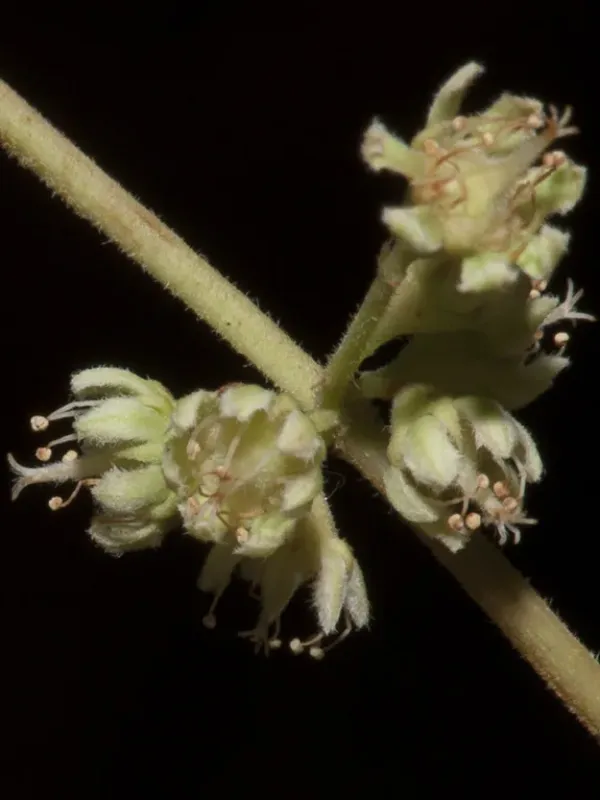
Botanically, the plant is distinguished by its long styles in the floral structure and a dense, high-quality wood composition. As an evergreen tree in many environments, it maintains a steady vegetative cycle throughout the year.
Commercially, Homalium longistylum is valued primarily for its timber. The wood is known for its durability and strength, making it a sought-after resource for heavy construction, high-end furniture manufacturing, and various carpentry applications.
Main diseases and pests
Significant threats to these trees include wood-boring beetles that target the vascular tissues of the trunk. Such infestations can compromise the structural integrity and market value of the harvested timber if not managed correctly.
Various fungal pathogens, often stimulated by high relative humidity, can cause root rot or bark diseases. Maintaining adequate spacing between trees is a standard silvicultural practice used to enhance airflow and minimize disease outbreaks in plantations.