
Homalium longifolium
Homalium longifolium
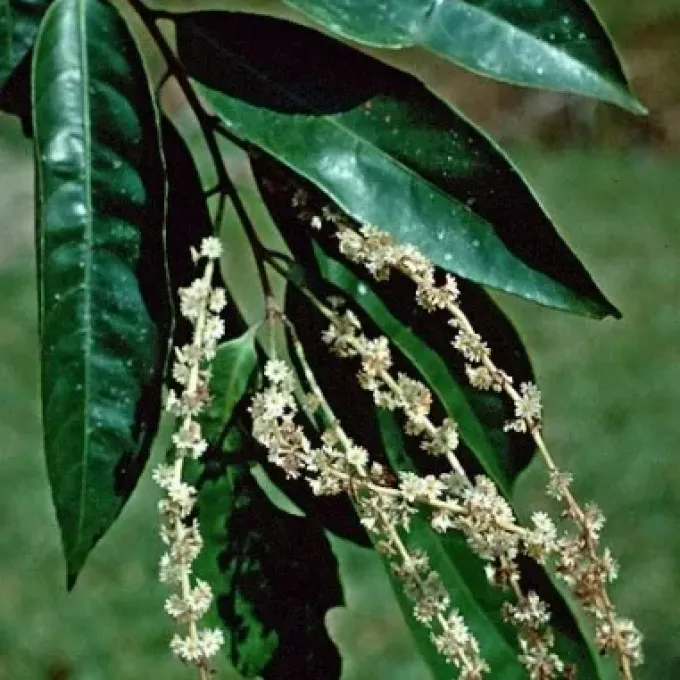
Description
Growing requirements
Homalium longifolium is a prominent tree species belonging to the Salicaceae family. It is native to the tropical forests of Southeast Asia, where it thrives in warm, high-humidity environments typical of the region.
The species requires a climate with consistent rainfall throughout the year, as it is not well-adapted to prolonged dry seasons. It prefers deep, fertile, and well-draining soil to support its vigorous growth and development of a straight, high-quality trunk.
Botanically, the tree is recognized for its long, lanceolate leaves and robust growth habit. It forms a critical part of the tropical forest structure, contributing to biodiversity and ecosystem stability within its natural range.
In terms of agricultural and forestry requirements, the tree demands significant space to accommodate its canopy spread. Planting densities must be carefully calculated to ensure adequate sunlight and air circulation for each individual.
The wood of Homalium longifolium is highly valued in the global market. Its physical properties, including high density and natural resistance to decay, make it suitable for construction, flooring, and fine woodworking applications.
Yield
The yield of Homalium longifolium is primarily assessed by the volume of harvestable timber produced over a specific rotation period. Efficient management practices can significantly enhance the annual biomass accumulation rates.
Strategic thinning of forest stands is crucial for optimizing the growth of superior trees. By removing suppressed or damaged individuals, resources are concentrated on high-potential specimens, maximizing the final timber yield.
Standard silvicultural practices include regular monitoring of tree development phases. Proper maintenance during the initial juvenile stage is essential for establishing the structural integrity that influences the future wood quality.
Economic returns from this culture are driven by the demand for high-strength tropical timber. Sustainable harvesting techniques, including reduced-impact logging, help maintain the long-term productivity of the plantation sites.
Yield metrics also benefit from soil enrichment programs that maintain nutrient balance. Providing necessary minerals during the early years of development ensures the tree reaches its peak production potential.
Main diseases and pests
Pests and diseases pose significant risks to the commercial cultivation of Homalium longifolium. Wood-boring insects are particularly dangerous as they directly compromise the structural value of the timber.
Fungal infections frequently occur in areas with poor drainage or excessive atmospheric moisture. Root rot is a common issue that can be mitigated by ensuring proper site selection and soil aeration techniques.
Young seedlings are highly vulnerable to herbivory and local pests. Protective measures, including the use of nursery shelters and biological control agents, are often employed to secure high survival rates.
Climate instability presents a growing threat, as deviations from the typical tropical regime stress the trees. Resilience can be improved by maintaining healthy stands and practicing diverse plantation management.
Effective management requires a proactive approach to sanitation. Removing and disposing of infected plant material prevents the spread of pathogens, ensuring the health and longevity of the entire forest stand.