
Homalium paniculatum
Homalium paniculatum
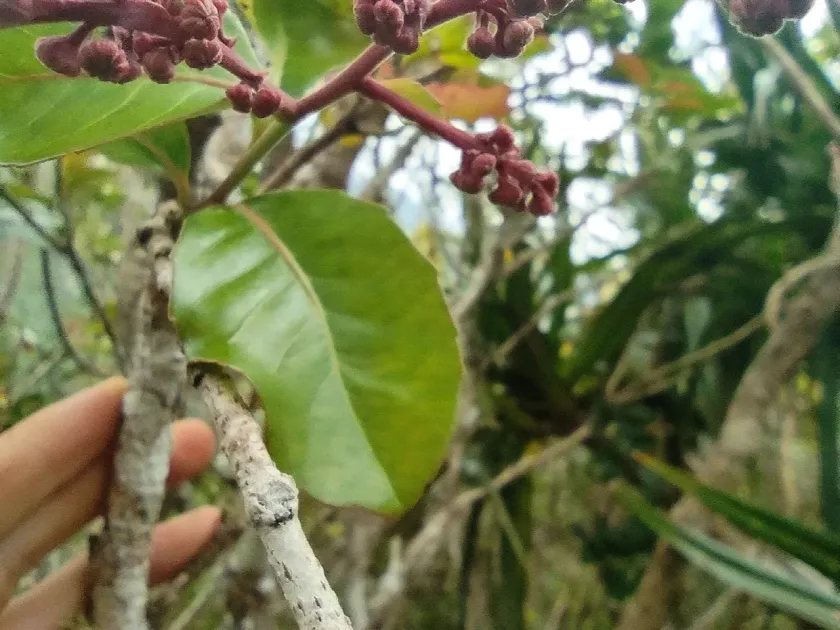
Description
Growing requirements
Homalium paniculatum is a woody species classified under the family Salicaceae. Originating from the tropical regions of Madagascar, this tree is well-adapted to high-humidity environments and warm temperatures that persist throughout the growing season.
Regarding soil requirements, the species thrives best in well-drained, deep, and nutrient-rich soils. It is highly intolerant of waterlogging, making proper drainage design essential for its cultivation. Soil pH should ideally range within moderate levels to facilitate optimal nutrient uptake.
The climate requirements include a consistent tropical temperature range between 22 and 30 degrees Celsius. The species does not exhibit tolerance for frost, which limits its primary cultivation areas to tropical or subtropical zones where temperatures remain stable year-round.
Botanically, the tree is characterized by its panicle-type inflorescences, which give the plant its specific name. It develops a sturdy, dense stem structure, which is a hallmark of the species and contributes to the high mechanical strength of its wood.
The economic utilization of Homalium paniculatum is primarily centered on its high-quality timber. The wood is renowned for its durability and hardness, making it highly suitable for luxury furniture manufacturing, heavy construction elements, and fine carpentry projects.
Main diseases and pests
Major threats to Homalium paniculatum include various fungal pathogens that flourish in humid climates. These infections can compromise the health of the tree, particularly if the canopy density or soil moisture levels are not managed effectively to allow for proper airflow.
Pest management focuses on protecting the timber from xylophagous insects, which are known to cause significant structural damage to the tree trunk. Implementing integrated pest management strategies is crucial for maintaining the commercial viability of plantation-grown trees.