
Homalium africanum
Homalium africanum
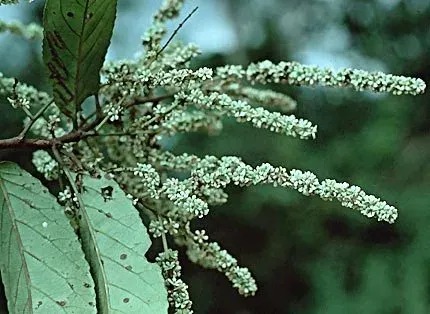
Description
Growing requirements
Homalium africanum is a tree species belonging to the Salicaceae family. It is a large tropical tree that naturally inhabits the dense rainforests of West and Central Africa, where it thrives in humid and stable tropical environments.
The species requires high annual rainfall and consistent temperatures to achieve optimal growth. It grows best in deep, fertile soils that provide excellent drainage, as the species does not tolerate waterlogging for extended periods of time.
Within its native ecosystem, Homalium africanum often occupies the lower canopy of the rainforest. This position has allowed it to develop a degree of shade tolerance, especially during the sapling stage of its life cycle.
Agricultural management of this crop involves maintaining high air humidity and providing protection from intense direct sunlight during the initial establishment phase. A stable climate without extreme seasonal fluctuations is essential for successful cultivation.
The primary economic value of Homalium africanum is its timber. The wood is renowned for its high density, hardness, and natural resistance to decay, making it a valuable resource for construction and specialized woodworking industries.
Main diseases and pests
Like many trees native to tropical rainforests, Homalium africanum is susceptible to various pests, particularly wood-boring beetles that can damage the trunks and degrade the quality of the harvested wood.
Fungal diseases are a major concern, particularly in environments with poor air circulation and excessive moisture. These pathogens can affect both the root system and the leaves, potentially compromising the overall health of the stand.
In nursery settings, it is crucial to implement regular monitoring and sanitation protocols. Clearing debris and ensuring proper spacing between plants helps to reduce the risk of pathogen outbreaks and improves overall vigor.
Habitat loss due to land conversion and environmental changes poses a significant threat to the survival of the species in the wild. Sustainable forestry practices are required to protect the population and ensure its continued availability.
Integrated pest management strategies focusing on biological controls are preferred over synthetic chemical treatments, as the latter can disrupt the delicate ecological balance of the tropical forest habitats where these trees grow.