
Homalium ceylanicum
Homalium ceylanicum
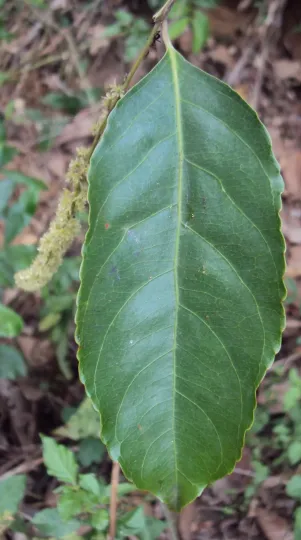
Description
Growing requirements
Homalium ceylanicum is a significant tree species within the Salicaceae family. It is native to the tropical regions of Southern Asia, where it thrives in moist, dense forest ecosystems under high humidity conditions.
The plant requires deep, fertile, and well-draining soils to reach its full development potential. It shows a preference for areas with high annual rainfall and constant temperatures, typically avoiding regions with extreme cold or arid seasons.
Agricultural management of this species involves maintaining appropriate shading for seedlings during their early life stages. As the tree matures, it becomes more tolerant of light, though it still performs best in nutrient-rich environments.
In terms of хозяйственное использование, the wood of Homalium ceylanicum is highly prized for its durability, hardness, and resistance to decay. It is frequently utilized in high-end construction and furniture manufacturing.
Regular maintenance practices include monitoring soil moisture levels and ensuring consistent weed control. Because the tree is a slow grower, long-term plantation management is required to achieve a harvestable size for timber production.
Main diseases and pests
Stem-boring insects present the most significant pest challenge for Homalium plantations. These pests can compromise the structural integrity of the wood, significantly reducing its commercial value if not addressed.
Fungal pathogens associated with root rot are a risk in poorly drained soils. Farmers must ensure proper site selection and soil aeration to mitigate these common environmental threats to the tree's health.