
Homalium racemosum
Homalium racemosum
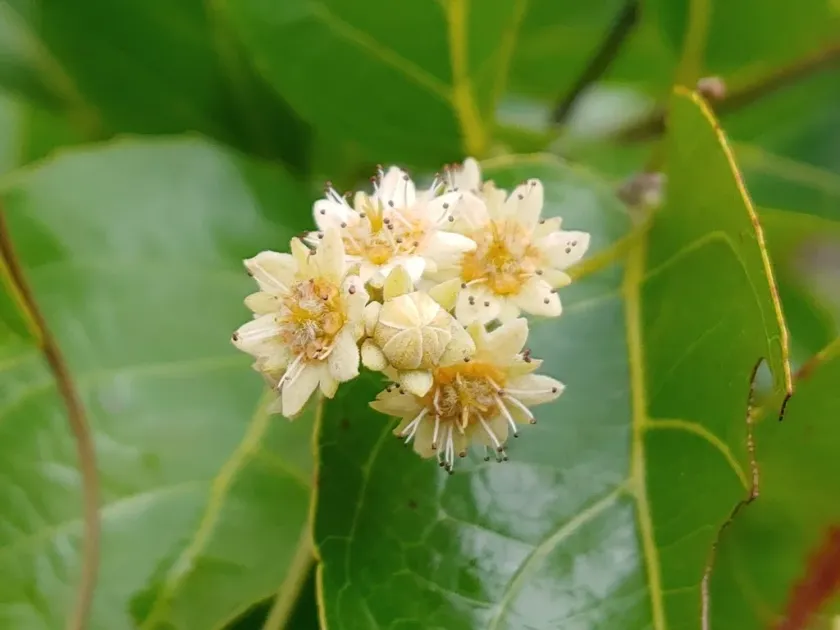
Description
Growing requirements
Homalium racemosum is a tropical evergreen tree species belonging to the Salicaceae family. It is native to the Caribbean region and parts of Central and South America, thriving in tropical rainforest ecosystems.
The tree requires a warm and humid climate to flourish. Optimal temperatures range between 22 and 30 degrees Celsius, with a preference for environments that receive significant annual rainfall throughout the year.
Soil requirements include well-draining, fertile, and nutrient-rich substrates. While it adapts to various soil types, it performs best on loamy soils with a slightly acidic to neutral pH balance, which promotes healthy root development.
As a light-demanding species, Homalium racemosum grows best in areas with sufficient sun exposure. However, young saplings often require partial shading to protect them from extreme heat and moisture loss in their early stages of growth.
Management practices involve consistent fertilization and monitoring of moisture levels. Sustainable growth is ensured by maintaining appropriate tree spacing, which prevents competition for nutrients and provides adequate airflow for the maturing timber.
Yield
The primary economic value of Homalium racemosum lies in its high-quality timber. The wood is renowned for its remarkable hardness, density, and natural resistance to decay, making it highly desirable for industrial applications.
Common uses include high-end furniture manufacturing, durable flooring (parquet), and tool handles. The wood's fine grain and aesthetic appeal also make it suitable for decorative woodwork and high-traffic interior projects.
Harvesting cycles typically span several decades to reach technical maturity. Careful forest management, including selective pruning, is essential to maximize the percentage of knot-free, high-value timber obtained from each individual tree.
Beyond timber, the species contributes to reforestation efforts by providing structure to secondary forests. It serves as a vital component in land rehabilitation programs, helping to restore soil stability in degraded tropical environments.
Modern processing techniques for this timber focus on maximizing yields through precise milling. Reducing waste during the cutting process is critical to ensuring the economic viability of commercial operations involving this species.
Main diseases and pests
The most common threats to Homalium racemosum involve fungal pathogens that affect the bark and inner wood, particularly in areas with poor drainage or stagnant air. Proper spacing and thinning help mitigate these risks significantly.
Insect pests, including wood-boring beetles, can cause significant damage to the plant's vascular system. Integrated pest management strategies, involving regular monitoring and the removal of infested wood, are necessary to protect the investment.
Soil erosion poses a significant threat to young plantations, especially on sloping terrains. Implementing cover crops around the base of the trees helps maintain soil integrity and prevents the washing away of essential nutrients.
Climate instability, such as prolonged droughts or extreme storms, represents an increasing threat to plantation health. Building resilient landscapes through mixed-species planting can help buffer against these environmental shocks.
Strict hygiene protocols during pruning and maintenance are required to prevent the transmission of diseases between trees. Clean tools and regular health assessments are the cornerstones of successful plantation management.