
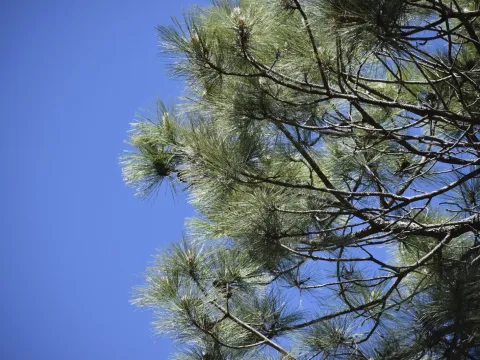
Durango pine
Pinus durangensis
The Durango pine (Pinus durangensis) is a prominent conifer species belonging to the Pinaceae family. It is known for its impressive height, often reaching up to 40 meters in its native habitat, and its relatively long, bundled needles that provide a distinct canopy structure.
What the section contains
Durango pine
The species is native to the mountainous regions of Mexico, specifically within the Sierra Madre Occidental range. Its natural distribution is largely restricted to altitudes between 2,000 and 2,800 meters, where it thrives in cool, temperate high-altitude environments.
Regarding soil requirements, Pinus durangensis prefers well-drained, deep soils that originate from volcanic parent material. While it is adaptable, the species shows a strong preference for environments that prevent waterlogging, ensuring the health of its extensive root system.
In terms of silvicultural management, light availability is a critical factor for the healthy development of this tree. It is highly intolerant of shade; therefore, management practices must include careful thinning to allow sufficient sunlight penetration to the lower branches and forest floor.
Commercially, the Durango pine is a significant source of timber. Its wood is highly valued in the construction industry for its strength and durability. Additionally, it is used extensively in the production of furniture, structural beams, and high-quality wood-based panels for manufacturing.
The main biological threats to the Durango pine include various species of bark beetles, which can cause significant damage to forest stands, especially during periods of drought-induced stress. Proactive forest management and timely harvest of infested trees are the primary control measures.
Fungal diseases, including needle blight and various rust pathogens, pose a risk to younger trees in plantations with poor air circulation or excessive moisture. Maintaining optimal spacing between trees and ensuring proper site drainage are essential strategies for mitigating these disease risks.