
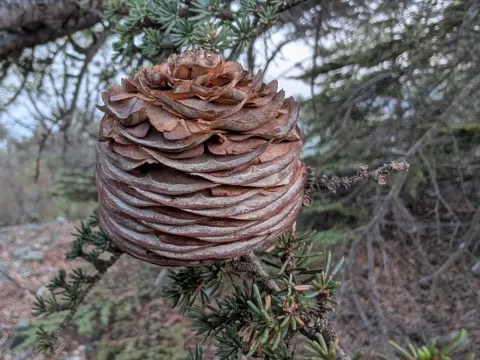
Cyprus cedar
Cedrus brevifolia
Propagation of Cedrus brevifolia is primarily achieved through seeds, which require a cold stratification period of approximately 6 to 8 weeks to improve germination rates.
What the section contains
Cyprus cedar
Seeds should be sown in a well-draining, sandy loam potting mix, placing them at a shallow depth of about 1 to 2 centimeters to ensure proper aeration.
Container cultivation is the preferred method for young trees, as it provides better control over soil moisture and allows for easier protection from extreme weather.
Transplanting to the permanent location in the garden should occur in early spring, allowing the root system to establish before the onset of summer heat.
Seedlings need consistent care during the first growing season, including protection from direct midday sun and regular, measured irrigation to maintain steady growth.
The Cyprus cedar is a member of the Pinaceae family, native to the Troodos Mountains of Cyprus, where it thrives in high-altitude rocky environments.
It prefers full sun exposure and requires highly permeable, well-drained soil, as it is extremely sensitive to waterlogged conditions that lead to root rot.
This species is moderately hardy but performs best in climates with mild, wet winters and warm, dry summers, resembling its natural Mediterranean habitat.
In terms of soil composition, it adapts well to slightly acidic to neutral rocky substrates, mirroring the geological conditions of its native mountain slopes.
Proper spacing is crucial for mature trees, as they require significant airflow to prevent the buildup of humidity within the canopy, which encourages disease.
Root rot caused by Phytophthora species is the most significant threat, typically arising from poor drainage or overwatering in heavy soil conditions.
Needle blight and various rust fungi can affect the foliage, particularly in environments with high humidity or stagnant air around the branches.
Aphids and scale insects represent the primary pest threats, as they colonize young shoots and sap, leading to stunted growth and yellowing of the needles.
Integrated pest management should be employed, utilizing horticultural oils or systemic insecticides when necessary to control outbreaks early in the season.
Routine maintenance, such as removing dead branches and cleaning the area around the base of the tree, helps to minimize the risk of recurring infestations.