
Devon pine
Pinus devoniana
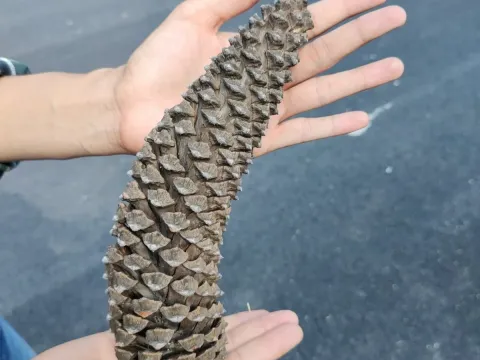
The Devon pine (Pinus devoniana) is a magnificent conifer species belonging to the Pinaceae family, native to the mountainous regions of Mexico and Guatemala. It is widely recognized for its long, drooping needles and large, heavy cones, which give it a distinct ornamental appearance.
What the section contains
Devon pine
This tree thrives in high-altitude environments, usually ranging from 1,000 to 2,500 meters above sea level. In its native habitat, it plays a crucial role in maintaining forest ecosystems and biodiversity, often growing in association with oak species.
Successful cultivation requires deep, well-draining soil with a neutral to slightly acidic pH. The species is highly sensitive to waterlogged conditions, which can lead to root rot; therefore, selecting a site with natural slope or installing drainage systems is essential.
The climate requirements for this species include moderate temperatures and high atmospheric humidity. While it can withstand occasional light frost, it is not considered cold-hardy for temperate or arctic climates and should be managed in zones with mild winters.
From an agrotechnical perspective, young saplings need protection from excessive direct sun during their establishment phase. Regular maintenance involves pruning dead branches and ensuring adequate mulching to preserve soil moisture and regulate ground temperature.
The species is susceptible to various fungal pathogens that thrive in humid environments, particularly those affecting the needle foliage. Bark beetles and weevils remain the primary insect threats, especially to trees experiencing stress from drought or nutrient deficiencies.