
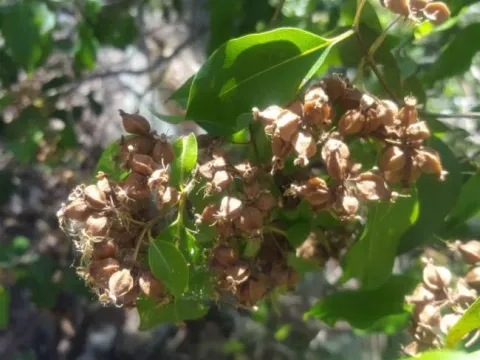
Backhousia tetraptera
Backhousia tetraptera
Backhousia tetraptera is a distinguished member of the Myrtaceae family, native to the lush, temperate-to-tropical regions of Australia. As a perennial evergreen shrub or small tree, it is highly regarded for its aromatic properties and botanical uniqueness.
What the section contains
Backhousia tetraptera
Cultivation of this species requires a specific microclimate characterized by high ambient humidity and consistent temperatures. It thrives in regions where the risk of severe frost is non-existent, making it an excellent candidate for controlled indoor or greenhouse environments in cooler zones.
The plant demands well-draining, nutrient-rich soil with a slightly acidic profile. Achieving the right soil structure is crucial, as the root system is prone to suffocating if water is allowed to stagnate in the container or planting site for an extended period.
Agricultural practices should focus on maintaining a balanced irrigation schedule. During the growing season, moderate fertilization with a focus on micronutrients supports vigorous foliage production, which is essential for the distillation of plant extracts.
The industrial use of Backhousia tetraptera centers on its essential oils. These extracts are increasingly sought after by the cosmetic industry and natural medicine sectors due to their unique composition, including compounds with high antimicrobial and soothing effects.
Root rot, driven by excessive moisture and poor soil aeration, represents the primary biological threat to this species. Preventive measures include strictly managing water supply and incorporating organic mulch to regulate soil temperature and moisture levels.
Pests such as spider mites and mealybugs frequently target the succulent leaves of the plant. These pests feed on the sap and can lead to rapid decline in plant health if left unmanaged, necessitating vigilant scouting and early intervention.
Integrated pest management strategies are recommended to maintain the quality of the foliage. These include the use of natural predators or targeted, mild horticultural oils that do not compromise the integrity of the valuable essential oils contained within the leaves.
Fungal leaf spot diseases may appear during periods of high humidity and poor air circulation. Improving ventilation within greenhouse structures or planting at appropriate densities in open fields helps to mitigate the spread of air-borne spores.
Maintaining high hygiene standards in the nursery is essential for avoiding viral transmission. Cleaning equipment between prunings and removing any dead or decaying plant matter promptly will significantly reduce the risk of secondary infections.