
Backhousia oligantha
Backhousia oligantha
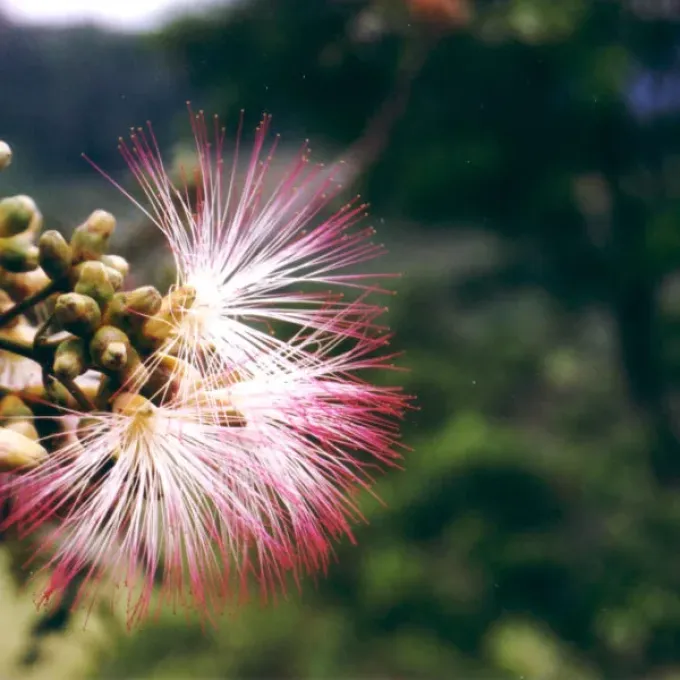
Description
Sowing dates
Propagation of Backhousia oligantha is typically achieved through seed germination or by using semi-hardwood cuttings taken during the active growing season.
Seeds of this species require a pretreatment to break dormancy, which often involves scarification or a period of stratification in a cool environment.
The optimal time for sowing is early spring, using a well-draining seed-starting mix composed of peat moss and perlite to ensure adequate moisture retention.
For cutting propagation, ensure that the stems are healthy and free from pests, then apply rooting hormones to increase the chances of successful development.
Once seedlings or rooted cuttings are established, they should be gradually acclimated to lower humidity levels before being moved to their final growing location.
Growing requirements
Backhousia oligantha belongs to the Myrtaceae family, native to specific Australian regions, and prefers a climate that mimics its original tropical forest habitat.
The plant requires acidic, well-draining soil rich in organic matter to thrive, making it essential to use potting mixes tailored for acid-loving shrubs.
This species is highly sensitive to frost and extreme cold, requiring indoor protection or a greenhouse environment in climates outside of its natural range.
Light requirements are high, but the plant performs best under bright, filtered light to avoid leaf scorch, which can occur in direct, harsh afternoon sunlight.
Consistent watering is necessary during the growing phase, but the root system must be protected from waterlogging, which often leads to severe rot issues.
Main diseases and pests
Common threats to this species include fungal infections such as root rot and leaf spot, which are often caused by poor drainage and excessive humidity.
Insect pests such as spider mites and scale insects are frequent problems, particularly in greenhouse conditions where ventilation might be limited.
Monitoring the undersides of leaves is essential for early detection of pest infestations, allowing for prompt intervention with insecticidal soaps or oils.
Proper air circulation is the most effective preventative measure against the development of powdery mildew and other airborne fungal pathogens.
- Maintain a clean environment to reduce pest habitats.
- Avoid over-fertilizing, which can attract sap-sucking insects.
- Ensure adequate spacing between plants to improve airflow.