
Backhousia leptopetala
Backhousia leptopetala
Description
Growing requirements
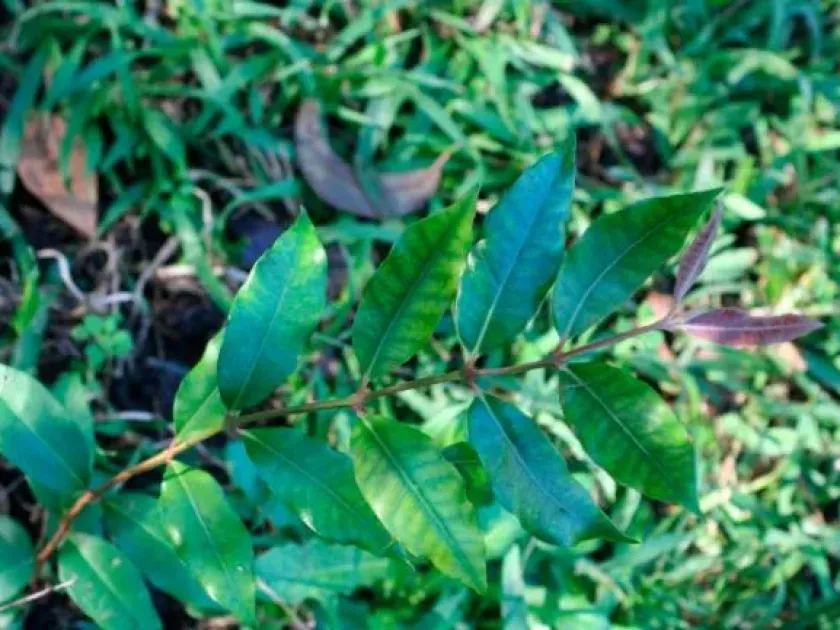
Backhousia leptopetala is a remarkable species belonging to the Myrtaceae family. Native to the rainforests of eastern Australia, it thrives as a shrub or small tree in its natural habitat, characterized by dense, aromatic foliage.
The plant requires well-draining, nutrient-rich soils that maintain moisture without becoming waterlogged. A slightly acidic soil profile is generally preferred for optimal nutrient uptake in this species.
Climate-wise, it is adapted to subtropical conditions and requires a warm, humid environment. It is sensitive to frost and should be cultivated in protected areas if ambient temperatures drop below freezing.
Adequate sunlight is essential for the development of essential oils within the leaves. However, shade might be necessary during the initial stages of growth to prevent desiccation of young shoots.
Economically, the plant is cultivated for its aromatic oils, which are highly valued in the natural fragrance and flavoring industries due to their distinct chemical composition.
Main diseases and pests
Common threats to the crop include fungal pathogens that manifest as leaf spots or stem cankers. These are typically triggered by poor air circulation or extended periods of high humidity in the crop canopy.
Insect pests, specifically sap-sucking insects like aphids and mites, can cause severe stress to the plant. If left untreated, these infestations can lead to stunted growth and yellowing of the leaves.
Integrated pest management (IPM) strategies, including the use of beneficial insects and selective organic pesticides, are recommended to maintain plant health while ensuring the quality of the essential oils.
Pruning is a vital cultural practice to remove dead or diseased wood, thereby limiting the entry points for pathogens and improving overall air movement through the foliage.
Monitoring the soil pH and moisture balance is a proactive measure against root-related disorders that could otherwise compromise the longevity and productivity of the trees.