
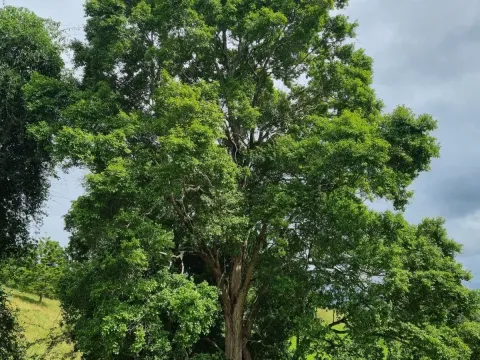
Backhousia sciadophora
Backhousia sciadophora
Backhousia sciadophora is a perennial plant species belonging to the Myrtaceae family. It typically grows as a medium-to-large sized tree, characterized by its dense canopy and specific aesthetic appeal typical of Australian rainforest-associated flora.
What the section contains
Backhousia sciadophora
The native range of this species is primarily located in the subtropical regions of eastern Australia. It thrives in humid conditions and environments where climatic stability supports continuous growth cycles without severe temperature stress or extreme cold periods.
Cultivation requires fertile, well-draining soils with a rich organic component. It is essential to ensure that the site has excellent soil aeration, as root health is the primary factor limiting the success of this species in artificial or agricultural environments.
The plant demonstrates a strong preference for bright, indirect sunlight. While it can adapt to some level of shade during its early stages of development, mature specimens require consistent exposure to light to maintain structural density and healthy foliage.
Effective management includes regular monitoring of soil moisture levels, especially during the peak growing season. While the species is somewhat drought-tolerant once established, supplemental irrigation during dry spells significantly improves the overall growth rate and plant health.
The primary horticultural application of Backhousia sciadophora is in the field of ornamental gardening and large-scale landscaping. Its architectural form makes it a popular choice for parks and botanical collections in tropical and subtropical climates.
The wood derived from the species is noted for its high density and structural strength. Traditionally, this material was utilized for specialty woodcrafts, where durability and a fine finish were required for smaller, high-value agricultural or utility tools.
The foliage possesses distinct aromatic properties, containing volatile oils that are of interest to the essential oil industry. Ongoing research explores the chemical composition of these leaves for potential use in natural antimicrobial or fragrance applications.
Harvesting for commercial or extraction purposes must be conducted with care to preserve the long-term vitality of the trees. Selective pruning techniques are used to gather biomass without damaging the framework of the tree, ensuring consistent yield over time.
Post-harvest processing involves rapid stabilization of the plant material to prevent the loss of essential oils. Proper storage under controlled humidity and temperature ensures that the extracted compounds remain within the required pharmacological or cosmetic specifications.