
Backhousia myrtifolia
Backhousia myrtifolia
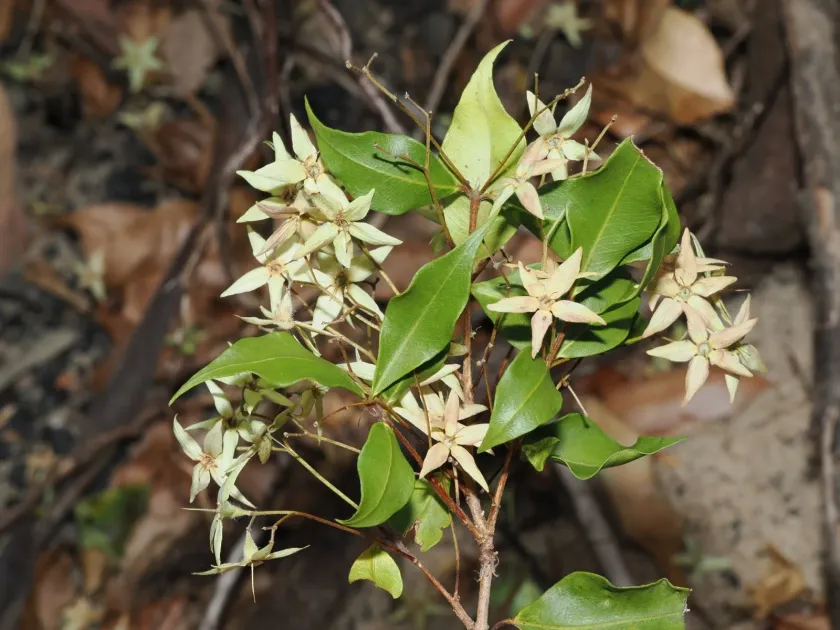
Description
Growing requirements
Backhousia myrtifolia, commonly known as cinnamon myrtle, is a flowering shrub or tree belonging to the Myrtaceae family. It is native to the subtropical rainforests of eastern Australia, where it thrives in humid environments.
The plant requires deep, well-draining soil rich in organic matter. While it tolerates a variety of soil types, it performs best in slightly acidic conditions with consistent moisture availability throughout the year.
Climate requirements include protection from heavy frosts and extreme heat. In agricultural settings, it is often grown in shaded or semi-shaded areas to protect foliage from harsh sunlight during the establishment phase.
Water management is essential, as the species demands high humidity. Irrigation should be adjusted based on the seasonal cycle to ensure healthy vegetative development while avoiding waterlogging.
Propagation is typically achieved through seeds or stem cuttings. Using rooting hormones and a controlled propagation chamber significantly increases success rates for commercial nurseries.
Main diseases and pests
As an aromatic species, the plant is naturally resistant to many common pests. However, it can still suffer from powdery mildew if air circulation is inadequate or humidity is excessively high.
Common pests include scale insects and spider mites, particularly in greenhouses. These pests can weaken the plant by feeding on sap and reducing the photosynthetic surface of the leaves.
Root rot, caused by various soil-borne fungi, represents a major threat in poorly drained soils. Maintaining proper aeration around the root zone is the most effective preventative measure.
Integrated Pest Management (IPM) strategies are recommended for commercial growers. This includes using biological controls such as predatory mites to manage pest populations without synthetic chemicals.
Regular sanitation, including the removal of dead or decaying plant matter, is crucial to prevent the spread of fungal spores and ensure the long-term health of the plantation.
Harvesting
The primary economic product of Backhousia myrtifolia is its leaves, which are rich in aromatic compounds. Harvesting involves the strategic pruning of branch tips, which encourages bushier growth.
Distillation is the preferred method for extracting essential oils from the harvested foliage. This product is highly valued in the natural flavoring and fragrance industries due to its unique profile.
For culinary applications, the leaves are dried and ground. Processing must be handled carefully to preserve the volatile oils that provide the distinctive cinnamon-like aroma.
The timber of this species is known for its durability and strength. In some regions, wood from older trees is harvested for high-quality tool handles and furniture manufacturing.
Efficient yield management requires a structured harvest calendar. Properly timed pruning not only yields the necessary raw material but also maintains the tree in a manageable, healthy state.