
Backhousia hughesii
Backhousia hughesii
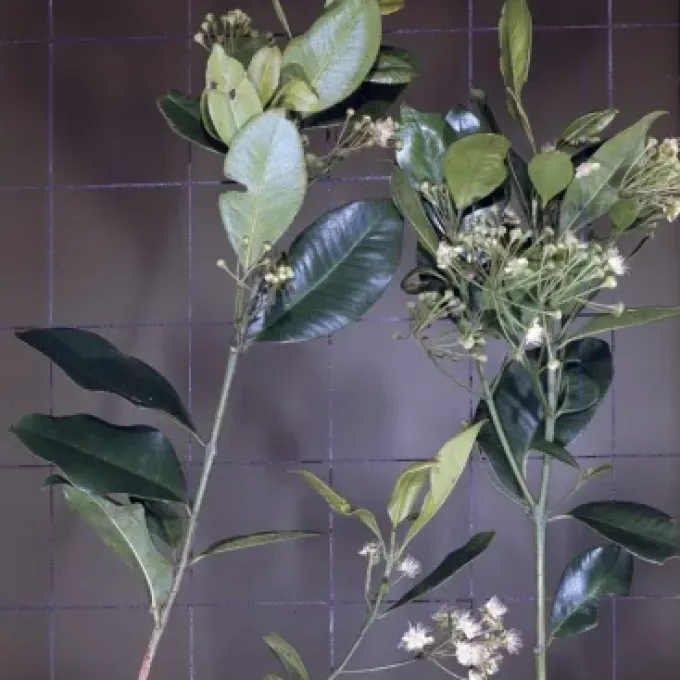
Description
Sowing dates
Propagation of Backhousia hughesii is primarily achieved through seed sowing in a high-quality, well-draining seed-starting mix. The seeds require consistent warmth to germinate successfully.
Maintaining a temperature range between 22–25 degrees Celsius is essential for optimal seedling development. Providing high humidity during the initial growth phase is highly recommended.
Cutting propagation is an efficient alternative to seeds, ensuring the preservation of specific plant characteristics. Semi-hardwood cuttings are usually selected for this purpose.
Once the seedlings develop at least two sets of true leaves, they should be transplanted into individual containers. This allows for better root development before field deployment.
Acclimatization of the plants to exterior or varying environmental conditions should be done gradually over several weeks to prevent transplant shock.
Growing requirements
Backhousia hughesii belongs to the Myrtaceae family and is native to Australian tropical forests. It thrives in warm, humid climates with minimal temperature fluctuations.
Sunlight requirements are quite high, but the plant benefits from partial shade during the peak heat of the day to prevent leaf scorch and dehydration.
The soil should be nutrient-rich with a slightly acidic to neutral pH level. Proper drainage is the most critical factor to prevent waterlogging and root decay.
Regular irrigation is needed, especially during active growth periods. However, the surface of the soil should be allowed to dry slightly between watering cycles.
Protection from severe frost is mandatory. In colder regions, the plant should be grown in containers to allow for relocation into a greenhouse during the winter.
Yield
The yield of Backhousia hughesii is primarily measured by the production of essential oil derived from its foliage. Productivity depends on plant density and health.
Strategic pruning encourages the development of new, oil-rich foliage. This practice is essential for maintaining consistent yield throughout the plant's life cycle.
The chemical composition of the oil makes it a valuable commodity for natural cosmetic and flavoring industries, ensuring a steady demand for the crop.
Proper nitrogen fertilization during the vegetative stage significantly boosts the total biomass production, directly influencing the final yield of the essential oil.
Mature plants, usually those over three years old, provide the most stable and high-quality yield, making them the primary targets for commercial harvesting.
Main diseases and pests
Root rot pathogens pose the greatest threat to this crop, especially in poorly drained soils or in environments with excessive, stagnant air humidity levels.
Pests like aphids and spider mites can attack the plants, particularly in greenhouses. Integrated pest management using organic soaps or oils is recommended.
Scale insects can also become a problem if the plant is stressed or grown in crowded conditions. Monitoring the underside of leaves is a vital preventive step.
Inadequate airflow can lead to fungal infections such as powdery mildew, which can significantly damage the quality of the harvested foliage.
Environmental stress, such as sudden cold snaps or drought, can weaken the plant's natural defenses, making it more susceptible to secondary pathogenic attacks.
Harvesting
Harvesting is best conducted during the early morning hours. This timing captures the highest concentration of essential oils before the heat of the day sets in.
Leaves and young stems are harvested using sharp tools to ensure clean cuts, which facilitate faster recovery and re-growth of the plant after the harvest.
Post-harvest handling is critical; the material should be processed immediately through steam distillation to preserve the volatile components of the oil.
If drying is required, it must be performed in a cool, dark, and well-ventilated area. High temperatures during drying will result in the loss of quality compounds.
Consistent harvesting intervals allow for a sustainable production cycle, with most producers aiming for multiple cuts per year in optimal climates.