
Baeckea
Baeckea
Baeckea is a genus of evergreen woody plants belonging to the Myrtaceae family. These plants are primarily native to Australia and parts of Southeast Asia, where they adapt to diverse environmental conditions.
What the section contains


Baeckea
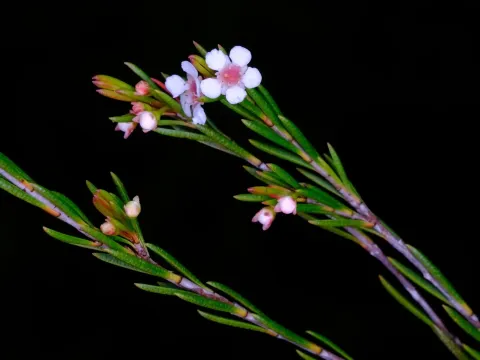
Botanically, they are characterized by their small, often aromatic leaves and numerous tiny flowers, which make them distinct representatives of the Myrtaceae family.
For successful cultivation, plants require well-drained, sandy or acidic soils. The presence of adequate drainage is essential as the species is highly susceptible to root rot if waterlogged.
Climatic requirements vary by species, but generally, they prefer sunny, sheltered locations with protection from extreme frost and high-speed winds.
In terms of economic use, Baeckea is often cultivated for the production of essential oils and as a decorative element in Mediterranean-style landscaping due to its resilience.
The primary threats to Baeckea are fungal pathogens that thrive in high-humidity conditions, potentially leading to root decay or stem rot in poorly managed plantations.
Common pests include scale insects and mealybugs, which feed on the sap and can lead to secondary infections if the infestation remains untreated for a prolonged period.
Pest management relies on cultural practices such as spacing, proper airflow, and sanitation, which minimize the environmental pressure on the plants.
Chemical control measures are only advised if cultural practices fail to suppress the pest population, keeping in mind the sensitivity of the plants to certain active ingredients.
Early identification of pest cycles allows farmers to minimize the usage of pesticides and ensure the longevity and health of the cultivated area.