
Backhousia enata
Backhousia enata
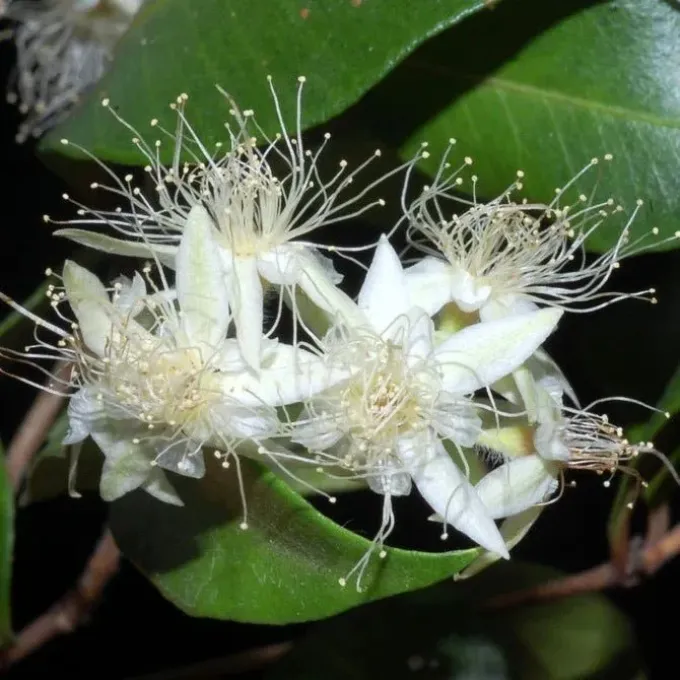
Description
Growing requirements
Backhousia enata is a species belonging to the Myrtaceae family, native to the coastal regions of Queensland, Australia. This woody plant is known for its aromatic properties and unique botanical characteristics.
In terms of climatic requirements, it thrives in warm, humid subtropical environments. It requires protection from frost and intense, drying winds that can cause leaf burn and damage the delicate growth tips.
The soil for this crop must be well-drained and slightly acidic. It performs best in nutrient-rich organic soils, similar to the leaf litter-rich forest floors of its native habitat, which provide essential moisture retention without waterlogging.
Watering should be consistent throughout the year. While the plant can tolerate short periods of dryness once established, regular irrigation is vital for optimal growth and the production of aromatic secondary metabolites.
Maintenance involves periodic pruning to manage size and shape. Since this plant is primarily utilized for its aromatic oils, managing the canopy density is essential for photosynthesis and energy storage.
Main diseases and pests
Common threats to Backhousia enata include root rot pathogens, which occur when soil drainage is insufficient. Proper site selection and drainage management are the first lines of defense against these diseases.
Pests such as scale insects and aphids may occasionally infest young shoots, particularly in sheltered or greenhouse environments. Monitoring is required during the rapid growth phase to prevent significant damage.
- Root rot caused by Phytophthora species in heavy, wet soils.
- Fungal leaf spots during periods of excessive humidity without airflow.
- Sucking insects that compromise the vitality of young leaves.
- Competition from invasive weeds during the plant's juvenile stage.
- Environmental stress from sudden temperature drops during winter.
Integrated pest management (IPM) strategies, including biological controls, are recommended to maintain plant health. Avoiding chemical pesticides is beneficial to preserve the purity of the aromatic oils.
General tree health can also be maintained through appropriate nutrition, as healthy plants are naturally more resistant to minor pest pressures. Regular soil testing helps ensure nutrient levels remain balanced.
Harvesting
Harvesting involves the selective clipping of leaves and young stems. This practice requires a systematic approach to ensure that the plant retains enough photosynthetic surface to recover quickly.
Timing the harvest is critical for the chemical profile of the essential oil. It is generally advised to harvest when the leaves are mature but still exhibit high metabolic activity, usually outside of the main flowering period.
Post-harvest handling requires immediate cooling to prevent the volatilization of aromatic compounds. Rapid transfer to processing facilities is necessary to maintain the integrity of the essential oils.
For horticultural purposes, trimming is integrated into the harvest schedule to improve the plant's shape. This dual-purpose management technique is common for various species within the Myrtaceae family.
Storage of the processed plant material must occur in airtight, temperature-controlled environments. This prevents oxidation and ensures the highest possible yield and quality for the end-user product.