
Chisocheton
Chisocheton
Chisocheton is a genus of trees and shrubs belonging to the Meliaceae family. These plants are native to the tropical rainforests of Southeast Asia, thriving in regions such as the Malay Peninsula, Borneo, and the Philippines, where they contribute to the biodiversity of primary forests.
What the section contains


Chisocheton
The cultivation requirements involve a tropical climate characterized by consistently high humidity and warm temperatures throughout the year. These trees prefer deep, fertile soils that provide sufficient nutrient levels while maintaining proper drainage to prevent root rot.
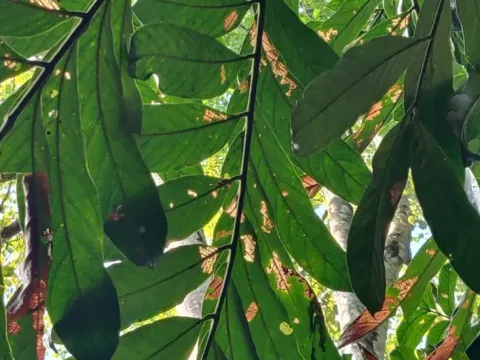
Botanically, Chisocheton is distinguished by its pinnate leaves and cauliflorous or ramiflorous inflorescences, where flowers appear directly on the stem or old branches. The fruits are typically woody capsules that contain seeds often rich in oils or medicinal compounds.
From a socioeconomic perspective, the genus is valued for its potential in pharmaceutical research due to the presence of secondary metabolites like limonoids. Certain species are also utilized in traditional medicine by indigenous populations to treat various ailments.
As a forest crop, Chisocheton is not widely grown in intensive agriculture but plays a significant role in agroforestry systems and forest conservation. Current agronomic interest is focused on understanding its growth patterns to support sustainable harvesting of its natural chemical components.