
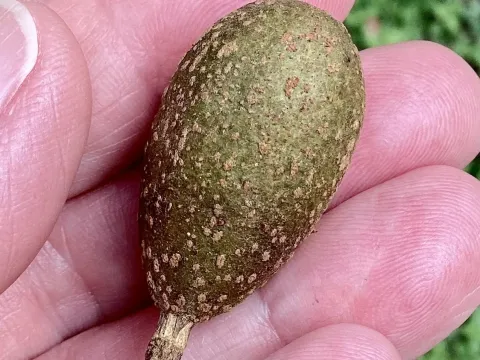
Cedrela
Cedrela
Cedrela is a tropical tree genus, and the timing of sowing is strictly dictated by the local rainfall patterns. In nurseries, seeds are typically sown towards the end of the dry season, allowing seedlings to establish themselves before the onset of heavy rains.
What the section contains


Cedrela
The seeds have a very short viability period and should be sown as soon as possible after harvesting. Soaking seeds in water for approximately 24 hours prior to sowing is a standard practice to break dormancy and encourage uniform germination.
Sowing should take place in well-draining potting mixtures. Maintaining a stable temperature between 22 and 28 degrees Celsius is crucial to ensure high germination rates and the production of healthy, vigorous seedlings.
In natural habitats, wind dispersal ensures propagation, but in plantation settings, manual row sowing is preferred. This method allows for better spatial management and ensures that each seedling receives adequate space for initial growth.
Once seedlings reach a height of 30–50 centimeters, they are ready for transplanting into the field. It is important to provide temporary shade during the first few weeks after outplanting to protect them from direct, intense sunlight.
Cedrela requires deep, fertile, and well-drained soils for optimal development. The species is highly sensitive to waterlogging, so selecting sites with excellent soil drainage is the most critical factor for success.
As a light-demanding species, Cedrela requires full sun exposure. Inadequate light levels during the early stages of growth can result in poor stem formation and significantly reduced timber quality in later years.
The climate must be tropical or subtropical, characterized by a lack of frost and sufficient moisture. A short dry season is beneficial as it helps to harden the wood and cycle nutrients, but year-round extreme drought is detrimental.
Applying organic matter and mulching around the base of young trees will improve soil moisture retention and overall fertility. This care is especially vital during the first few years as the root system establishes.
Protection from high winds is necessary, particularly in young plantations. The wood can be brittle during the sapling phase, so interplanting with nurse trees can provide structural support and wind protection.
The most significant threat to Cedrela cultivation is the shoot borer, Hypsipyla grandella. The larvae tunnel into the apical shoots, which leads to stunted growth, stem branching, and a substantial decrease in timber value.
Fungal diseases, such as root rot, are common outcomes of planting in poorly drained soils. Proper site selection and avoiding water-saturated zones are the primary preventive measures against these pathogens.
Leaf spot diseases can occur in dense stands where air circulation is restricted. Pruning the lower branches and thinning out the stand can improve ventilation and reduce the incidence of moisture-related fungal growth.
Insect pests can also target mature trees, necessitating regular monitoring. Integrated pest management (IPM) strategies, including the use of pheromone traps, are recommended to maintain low population levels of harmful insects.
Polyculture or mixed-species planting is highly effective in reducing pest outbreaks. By diversifying the landscape, the spread of species-specific pests is interrupted, enhancing the overall resilience of the plantation.
Harvesting Cedrela is a long-term investment, with timber maturity typically achieved between 25 and 40 years. The harvest timing is based on the target diameter and specific quality requirements for the timber.
The wood should ideally be felled during the dry season. This timing optimizes the natural drying process of the logs, prevents fungal staining, and allows for more efficient extraction from the plantation site.
Cedrela wood is highly valued for its natural resistance to termites and rot. It is widely utilized in high-end furniture manufacturing, boat building, and interior construction due to its pleasant scent and excellent workability.
A systematic thinning program throughout the life of the plantation can provide intermediate returns while promoting the growth of the best-performing "crop" trees until the final harvest occurs.
Sustainable forest management dictates that harvesting must be followed by immediate reforestation. Planting new seedlings on cleared sites ensures the continuity of the resource and maintains local ecosystem health.