
Chisocheton paniculatus
Chisocheton paniculatus
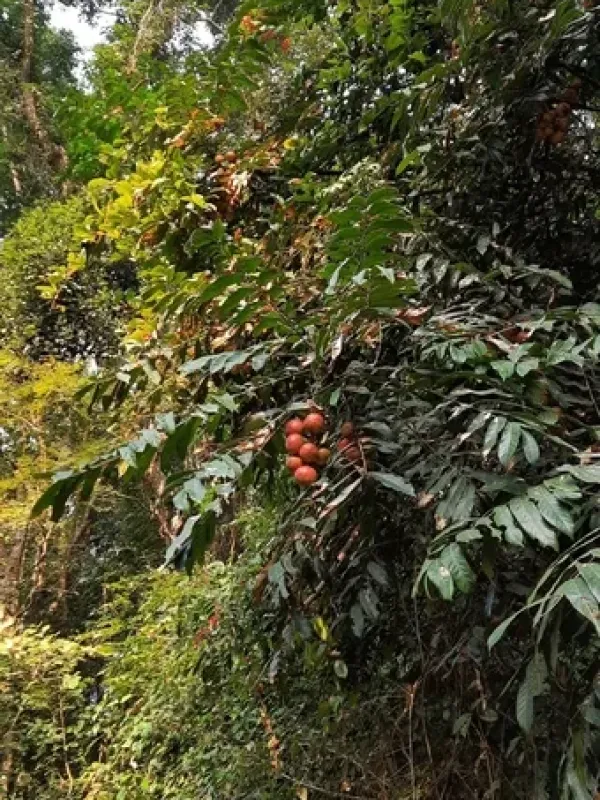
Description
Growing requirements
Chisocheton paniculatus is a significant tree species belonging to the Meliaceae family. Renowned for its presence in tropical rainforests, this species displays distinct botanical traits such as pinnate leaves and specialized panicle-like inflorescences that contribute to its structural complexity.
The native range of this tree spans across the tropical regions of Southeast Asia, including parts of India and Myanmar. It thrives in climate zones characterized by high humidity and consistent tropical temperatures, which are essential for its year-round metabolic activity and vegetative development.
Soil requirements for optimal growth involve well-draining, nutrient-rich substrates typical of forest floors. The species performs best in deep, loamy soils that can retain sufficient moisture without becoming waterlogged, as poor drainage may negatively impact the development of the root system.
Agrotechnical management primarily focuses on initial seedling care and ensuring adequate spacing in plantation forestry to allow for proper crown development. Weed control during the early stages of life is critical to prevent nutrient competition and ensure the tree reaches its potential height.
Economically, the species is valued for its timber, which serves various local construction needs. Furthermore, researchers continue to study the chemical composition of Chisocheton species, exploring their traditional and potential modern applications in medicinal or industrial sectors.