
Chisocheton patens
Chisocheton patens
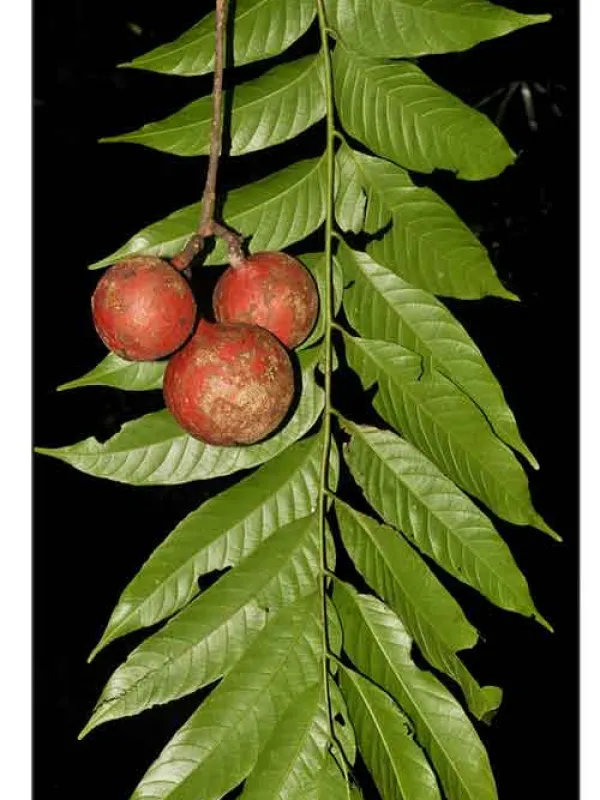
Description
Growing requirements
Chisocheton patens is a woody plant species belonging to the Meliaceae family. This tree is native to the humid tropical forests of Southeast Asia, thriving in regions like Indonesia, Malaysia, and the Philippines.
The culture requires a tropical climate characterized by high temperatures and consistent rainfall throughout the year. It does not tolerate prolonged dry seasons or any exposure to frost, which makes it strictly a tropical-zone crop.
Soil requirements involve deep, fertile, and well-drained ground. The species is highly sensitive to waterlogging, necessitating proper drainage infrastructure to prevent root diseases and ensure healthy development of the tree system.
In its natural habitat, the tree grows under a canopy, indicating a preference for partial shade during its initial growth phases. Farmers should maintain appropriate shade levels for seedlings before exposing them to full sun as they mature.
Agrotechnical practices include maintaining soil nutrient levels and suppressing invasive weed growth around the root zones. Due to its slow growth rate, the protection of young stands is essential for the long-term success of the plantation.
Yield
The primary economic use of Chisocheton patens is centered on its timber. The wood is utilized in local construction and furniture making, valued for its specific physical properties within the tropical environment.
Beyond timber, research is ongoing regarding the chemical profile of the plant. Various parts of the tree have been studied for secondary metabolites that might offer benefits for the pharmaceutical and cosmetic industries.
Yield efficiency is determined by planting density and the intensity of forest management practices. Sustainable harvesting ensures that the population of these trees is maintained while providing a continuous supply of wood resources.
Selective breeding programs focus on identifying genotypes with faster growth rates and better wood density. These improvements are crucial for optimizing land use in commercial tropical forestry projects.
The integration of this species into agroforestry systems provides not only economic benefits but also environmental services, such as soil stabilization and maintenance of local biodiversity.
Main diseases and pests
Fungal pathogens represent the most significant threat to Chisocheton patens, especially in regions with high humidity and stagnant air. These diseases often target the foliage, causing decay that hinders photosynthetic capacity.
Wood-boring insects can inflict severe damage to mature trees by tunneling into the bark and sapwood. Regular field inspections are vital to identify infestations before they compromise the structural integrity of the timber.
Weed competition, particularly from aggressive climbing plants, poses a threat to young seedlings by limiting their access to sunlight and soil nutrients. Periodic weeding is mandatory in the first years after plantation establishment.
Root rot, often caused by inadequate soil drainage or water-logged environments, is a critical risk factor. Once the root system is compromised, the tree's health declines rapidly, making it difficult to rehabilitate.
Effective management includes implementing a quarantine policy for planting material and using integrated pest management (IPM) to maintain tree health without relying solely on chemical pesticides, which can harm the local ecosystem.