
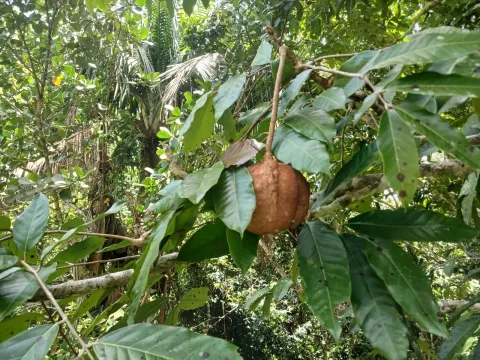
Carapa
Carapa
Carapa is a genus of trees belonging to the Meliaceae family. Native to the tropical regions of the Americas and Africa, these trees thrive in dense, humid rainforest environments.
What the section contains

Carapa
The climate requirements for Carapa are strictly tropical. They necessitate high, consistent temperatures year-round and cannot survive in environments with frost or significant temperature fluctuations.
Soil management is critical for this crop. They prefer deep, nutrient-dense, and well-drained soils. While some species show tolerance to periodic flooding, they perform best when the root zone is aerated.
Propagation is primarily achieved through seeds. Because seeds have a short shelf life, they must be sown quickly in a moist, organic-rich medium to ensure high germination rates.
During the early developmental stages, Carapa trees require protection from direct, intense sunlight, often benefiting from the shade provided by taller canopy species in agroforestry systems.
The primary economic value of Carapa lies in its seeds, which are processed to extract andiroba oil. This oil is a highly sought-after commodity in the global cosmetic and pharmaceutical sectors.
Andiroba oil is celebrated for its unique properties, including anti-inflammatory, emollient, and natural insect-repellent capabilities, making it a sustainable alternative to synthetic chemicals.
The timber produced by Carapa is exceptionally durable and highly resistant to termites and other wood-boring insects. This makes it a preferred material for high-quality furniture and boat building.
Yield estimation is focused on the annual production of seed pods. Mature trees, when maintained properly, can provide a stable supply of raw material for artisanal and industrial processing.
Integrating Carapa into diverse agroforestry models improves long-term soil stability and provides farmers with multiple streams of income from both oil production and timber harvest.
Common threats to Carapa include fungal pathogens that thrive in high humidity. These infections primarily affect the bark and root systems if drainage is insufficient.
Various defoliating insects and wood-boring beetles represent significant agricultural pests. These organisms can weaken tree vigor and decrease the overall quality of both foliage and wood.
Overcrowded plantations increase the vulnerability of the crop to pest outbreaks. Maintaining proper spacing is essential to ensure adequate airflow and reduce the humidity around the leaf canopy.
Nutrient deficiency, specifically related to soil acidification, can inhibit growth rates and reduce seed production, necessitating targeted organic fertilization programs.
- Systemic monitoring for early signs of disease.
- Implementation of diverse planting patterns.
- Safe manual removal of infected plant tissues.
- Usage of organic biopesticides where necessary.