
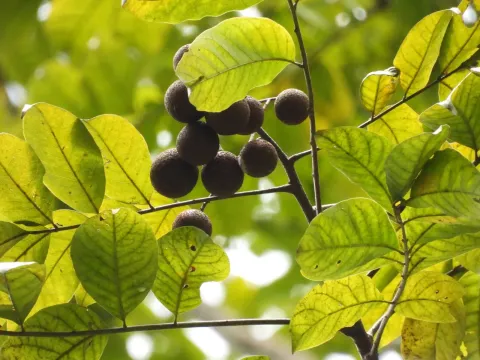
Chukrasia
Chukrasia A. Juss
Propagation of Chukrasia is primarily achieved through seeds, which should be sown immediately after collection due to their short viability.
What the section contains

Chukrasia
Seedbeds must be prepared with well-drained, nutrient-rich soil to ensure optimal germination rates under nursery conditions.
The seeds are typically placed at a shallow depth and covered with a light layer of soil to maintain consistent moisture levels.
Regular monitoring of temperature is essential, as the species thrives best in warm, humid conditions during the initial stage of growth.
Seedlings are transplanted into individual containers once they reach a suitable size, usually after the development of true leaves.
Chukrasia is a fast-growing deciduous tree belonging to the Meliaceae family, native to tropical forests in Asia.
It requires deep, fertile, and well-drained soils to reach its maximum height, which often exceeds 30 meters in maturity.
The climate must be tropical or subtropical, characterized by high annual rainfall and a distinct lack of extreme frost events.
While the tree is relatively shade-tolerant during its juvenile stage, it requires full sunlight to achieve rapid wood accumulation.
Regular spacing between trees is crucial to manage competition for nutrients and light, promoting the development of straight and robust trunks.
The main biological threats include wood-boring insects, which can significantly reduce the quality and market value of the timber.
Foliage-feeding caterpillars can cause defoliation, which severely hampers the photosynthetic efficiency and overall vigor of young trees.
Fungal diseases, specifically root rot, are common in areas with poor drainage and excessive moisture accumulation in the soil.
Parasitic plants and climbers may interfere with the growth of the canopy, requiring occasional manual removal to maintain forest health.
Implementation of integrated pest management strategies is necessary to protect plantations from potential outbreaks and economic losses.
The primary economic focus of Chukrasia cultivation is the production of its high-quality, durable timber, often called Indian mahogany.
Harvesting usually occurs when trees reach a merchantable maturity age, typically between 25 and 40 years of plantation growth.
The wood is highly valued in the woodworking and furniture industries for its beautiful grain, strength, and ease of machining.
After felling, logs must be properly treated and seasoned to prevent checking or warping, ensuring a high-quality finished product.
Sustainable harvesting practices, such as selective thinning and planned reforestation, ensure the long-term viability of Chukrasia plantations.