
Cedrela angustifolia
Cedrela angustifolia
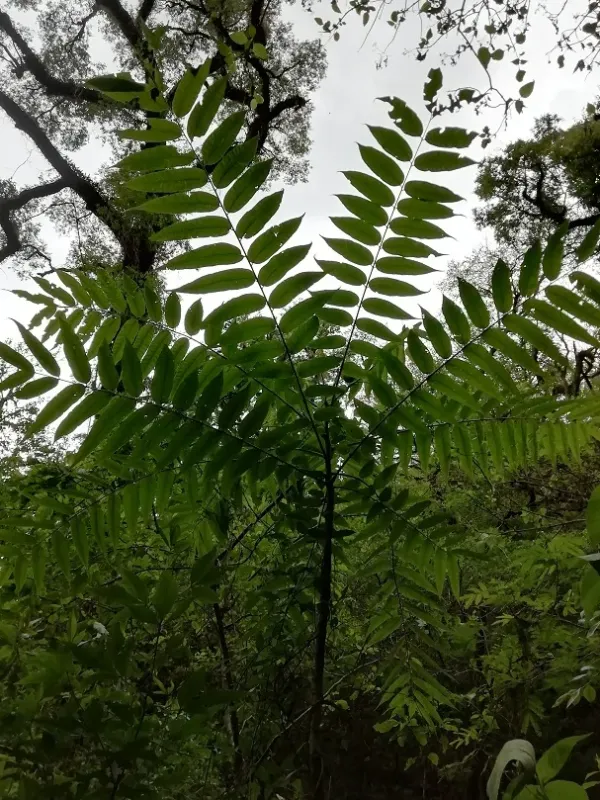
Description
Sowing dates
Cedrela angustifolia is typically propagated from seeds in dedicated forest nurseries to ensure a high survival rate during the initial growth stages.
Seeds require proper handling and may benefit from soaking or stratification to improve germination uniformity before being sown in prepared beds.
Row sowing is the standard practice, providing enough space for seedling development and allowing for easier mechanized maintenance and weeding.
Growing seedlings in protected environments or greenhouse conditions can significantly reduce the time needed to produce robust saplings ready for field planting.
The optimal age for transplanting saplings into permanent plantation sites ranges from 12 to 24 months, depending on the vigor of the root system and climate conditions.
Growing requirements
As a member of the Meliaceae family, this species thrives in tropical and subtropical climates characterized by consistent warmth and adequate moisture levels.
The tree requires deep, well-drained, and nutrient-rich soils. Waterlogging should be strictly avoided as it can cause root rot and hinder proper nutrient absorption.
Full sunlight is essential for the healthy growth of Cedrela angustifolia; therefore, plantation designs must ensure sufficient spacing to minimize competition for light.
Consistent temperature levels are crucial, as the tree is sensitive to cold spells and frost, which can severely impact its development in the juvenile phase.
Agronomic management involves periodic fertilization and soil aeration to support the rapid development of the trunk, which is the primary economic asset.
Yield
The economic value of this species is primarily derived from its high-quality timber, which is highly prized in furniture manufacturing and architectural projects.
Yield is measured as the volume of timber produced per hectare, with selection and intensive management being key drivers for optimizing productivity.
Advancements in tree breeding have helped develop varieties that exhibit faster growth rates, thereby reducing the rotation cycle for harvesting commercial timber.
Maintaining the health of the plantation through diligent care directly influences the quality and consistency of the final wood products on the market.
Long-term strategic planning is essential for sustainable yields, considering the decades-long period required for trees to reach full commercial maturity.
Main diseases and pests
The shoot borer (Hypsipyla grandella) is the most significant biological threat to Cedrela angustifolia, causing severe damage to the terminal buds of young trees.
Infestation by this pest often results in stem deformity and branching, which significantly reduces the structural and market value of the harvested timber.
Effective pest management relies on integrated control measures, including silvicultural practices, biological control, and the deployment of resistant genotypes.
Fungal diseases can also impact plantations, especially in regions with high humidity and poor air circulation, necessitating regular canopy monitoring.
Early detection of pests and pathogens, combined with prompt intervention, is vital to prevent widespread damage and maintain the overall health of the forest site.
Harvesting
Harvesting involves the selective or clear-cutting of trees once they have reached the desired diameter and biological maturity for high-grade wood.
Modern forestry practices emphasize sustainable harvesting techniques that minimize soil disturbance and protect the integrity of the surrounding ecosystem.
Post-harvest processing, including systematic drying and curing of the logs, is critical to ensure the durability and aesthetic quality of the raw timber.
Effective logistics and transportation planning are essential to move the timber from plantation sites to processing facilities without compromising its physical state.
Proper harvesting timing ensures the best physical properties of the wood, resulting in higher utility for end-users and improved financial returns for growers.