
Carapa nicaraguensis
Carapa nicaraguensis
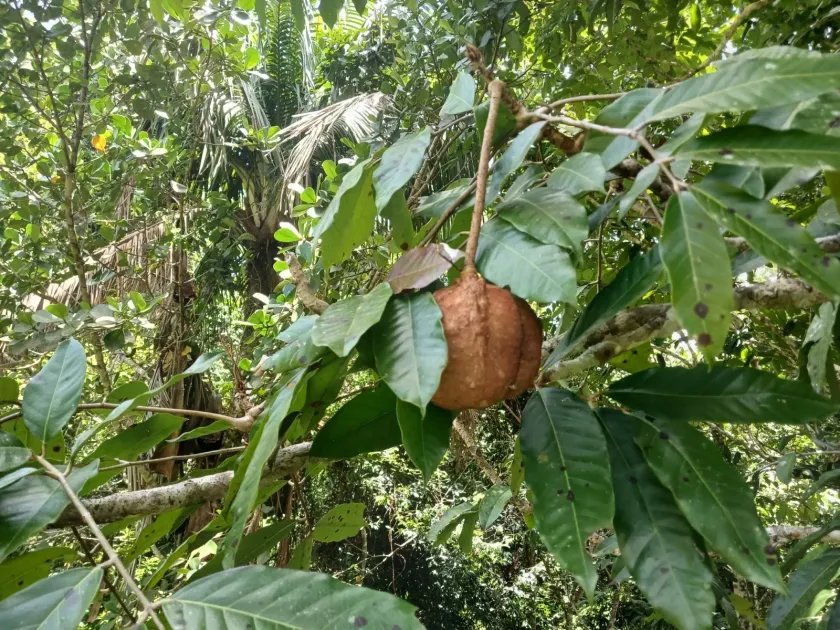
Description
Growing requirements
Carapa nicaraguensis is a significant member of the Meliaceae family, native to the tropical forests of Central and South America. This evergreen tree species thrives in environments characterized by high annual precipitation and constant tropical heat.
Cultivation of this species requires sites with deep, nutrient-rich soils that maintain moisture throughout the year. The plant is naturally adapted to riverine habitats and lowland rainforests, showing remarkable resilience to high water tables that would be detrimental to other tree species.
The optimal climate for Carapa nicaraguensis consists of temperatures consistently above 20 degrees Celsius. It lacks any cold tolerance, making it strictly a tropical crop unsuitable for regions prone to frosts or long dry spells without irrigation.
Agronomic management involves initial shading for saplings, as juvenile plants are prone to heat stress and photoinhibition when exposed to direct sunlight. As the trees mature, they develop a canopy that effectively shades the forest floor, contributing to a balanced microclimate.
The economic value of this tree primarily lies in its lumber, which is valued for its durability and aesthetic appeal. It is often compared to other Meliaceae timber sources and serves as a sustainable alternative in high-end woodworking and boat building industries.
Harvesting
Harvesting is typically conducted through sustainable silviculture practices. Foresters prioritize the selective cutting of mature trees to ensure the longevity of the stand, reflecting the slow-growing nature of the species and the need to preserve biodiversity within its native range.