
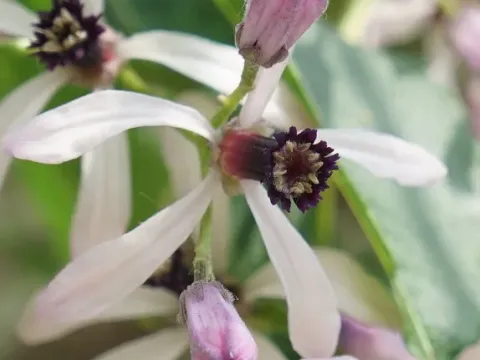
Chinaberry tree
Melia
Sowing of Melia seeds is typically carried out in nurseries during the spring, when the soil has sufficiently warmed up. The seeds require stratification to improve germination rates, as they possess a very hard seed coat.
What the section contains

Chinaberry tree
In commercial plantations, container-grown seedlings are preferred to ensure high survival rates upon field establishment. Young plants need partial shade during their first year to adapt to the environment.
Seeds should be planted at a depth of 3–5 cm in a well-draining substrate. Proper aeration is crucial to prevent the rotting of seeds before they germinate.
Field planting is ideally conducted in the autumn or early winter when the tree is dormant. Spacing should be approximately 4–6 meters apart to provide enough space for crown expansion.
Consistent watering is essential after the planting phase until the root system is well-established in the field soil.
Melia, belonging to the Meliaceae family, is a warmth-loving species that thrives in tropical and subtropical climates. It is sensitive to extreme frost, which limits its primary cultivation zones to warmer regions.
The tree is remarkably drought-tolerant, making it an excellent candidate for regions with irregular rainfall. However, supplemental irrigation is recommended during dry seasons to maximize growth.
It adapts to various soil types, but performs best on deep, well-drained loamy soils. Avoiding waterlogged areas is essential to ensure long-term health and prevent root disease.
The Chinaberry tree is known for its tolerance to saline soils, allowing it to be used in restoration projects for degraded or damaged lands.
It exhibits a rapid growth rate, making it a valuable species for windbreaks and providing dense shade in hot climates.
The primary economic use of Melia is for its high-quality timber, which is often compared to mahogany in texture and appearance. Commercial harvests are typically planned for 15–20 years after planting.
Seeds are a significant source of oil, which is extracted for various industrial purposes, including the production of lubricants and natural pesticides.
Biomass from leaves and fruits contains phytochemicals with strong insecticidal properties, making them useful in organic pest control systems.
Mature trees produce substantial quantities of fruit annually, providing a secondary source of raw material for chemical and pharmaceutical processing.
The bark of the tree is also valued in traditional and modern herbal applications due to its complex chemical composition and alkaloids.
Melia is naturally resistant to many pests due to the presence of toxic compounds in its leaves and wood. However, young seedlings may occasionally be vulnerable to scale insects or mealybugs.
Fungal diseases are primarily linked to poor soil drainage. Maintaining healthy growing conditions and avoiding overwatering is the most effective preventative measure.
Leaf spot diseases may occur in areas with extremely high humidity and stagnant air. Proper pruning to allow light and air circulation is beneficial.
Stem borers may attack weakened trees; therefore, maintaining vigorous tree health through proper care is the best strategy for protection.
- Sanitary pruning of dead or diseased branches.
- Monitoring bark for signs of mechanical damage.
- Ensuring optimal field drainage to prevent root rot.
Harvesting of fruits occurs once they reach full maturity, turning a characteristic yellow color, usually in the late autumn or early winter.
Manual harvesting is the most common method given the height and structure of the trees. Protective gear is recommended during the process due to the toxic nature of the raw material.
Timber harvest involves logging operations during the dormant season, which ensures better wood quality and durability.
Post-harvest, fruits should be de-pulped quickly to avoid fermentation and ensure the quality of the seeds intended for oil extraction.
Processing facilities must be equipped to handle the materials promptly to preserve the biological activity of the secondary compounds.