
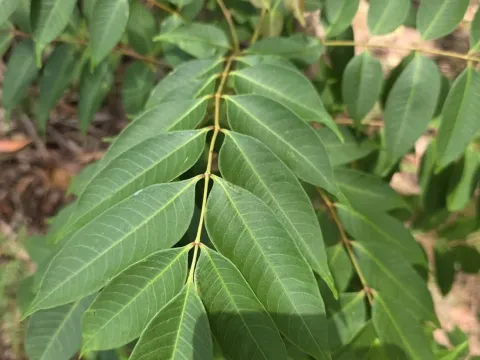
Cedrela serrata
Cedrela serrata Royle
Seeds of Cedrela serrata should be sown in the spring as temperatures rise. Late March to April is the optimal window, providing sufficient time for seedlings to establish before the peak summer heat.
What the section contains
Cedrela serrata
To improve germination rates, seeds are often soaked in lukewarm water for 24 hours. They should be sown in a well-draining, loose substrate at a depth of 1 to 2 centimeters.
Using nursery trays or containers is recommended to promote a strong root system, which simplifies the transplanting process once the saplings are mature enough for field planting.
A consistent temperature range between 20°C and 25°C is ideal for successful germination. Keeping the substrate moist but not waterlogged is crucial for the delicate initial stage of growth.
After the first true leaves emerge, seedlings require pricking out. It is essential to keep the young plants in filtered sunlight to prevent the foliage from scorching under intense direct light.
Cedrela serrata is a deciduous tree belonging to the Meliaceae family. Native to the mountain regions of the Himalayas, India, and Southeast Asia, it thrives in warm, humid subtropical climates.
The species demands fertile, well-draining soils for optimal development. Deep loams rich in organic matter, with a neutral to slightly acidic pH, provide the best growing medium.
The tree is sensitive to heavy frosts, particularly during its juvenile stage. It requires a sheltered location with protection from harsh winds and needs ample sunlight to maintain healthy growth rates.
High air humidity is essential for the metabolic processes of the tree. During drought periods, supplemental irrigation is necessary to ensure proper wood increment and foliage density.
- Ideal temperature: 15°C to 30°C.
- Light exposure: Full sun.
- Soil type: Rich, well-drained loams.
- Humidity: High.
- Drainage: Excellent drainage is vital to prevent root rot.
The productivity of Cedrela serrata is primarily assessed by the annual volume of high-quality timber. Under favorable conditions, the tree displays a rapid growth rate, making it highly valuable for reforestation.
The timber is prized for being lightweight, durable, and naturally resistant to many pests, which makes it a preferred material in the furniture and cabinetry industries.
Beyond timber, the species is utilized in traditional medicine and the fragrance industry. Extracts from the bark and leaves are valued for their bioactive compounds, which require careful extraction.
Biomass from the tree can also be processed to obtain essential oils. The yield of such secondary products depends significantly on the age of the tree and the standard of plantation management.
Technical maturity, when the tree is ready for harvest, is typically reached between 20 and 30 years, depending on site conditions and silvicultural practices implemented.
Major threats include various leaf-eating insects, particularly caterpillars that can defoliate young saplings in a very short period if left unmonitored during the growing season.
Fungal pathogens associated with excessive humidity and poor air circulation can attack the root collar and main trunk. Proper stand density is the primary preventative measure against these diseases.
Wood-boring beetles pose a significant risk to mature trees, potentially degrading the timber quality. Regular sanitary monitoring of plantations is a required component of integrated pest management.
Weed competition is a critical challenge during the early years. Regular weeding and mulching of the root zone are necessary to prevent the saplings from being suppressed by invasive vegetation.
In regions prone to cold winters, frost cracks on the bark can provide entry points for secondary infections. Protective wraps or trunk treatments may be necessary for younger specimens.
Harvesting bark and medicinal material is conducted during periods of active sap flow or during dormancy, depending on the desired chemical profile of the harvested raw materials.
Timber harvesting occurs when the trees reach industrial maturity. The process involves felling, primary bucking, and subsequent kiln or air-drying of the lumber to ensure material stability.
Sustainable harvesting practices are essential; selected seed trees must be left standing to facilitate natural regeneration and maintain the ecological integrity of the forest area.
Post-harvest treatment involves applying wood preservatives to extend the lifespan of the timber. Proper storage in well-ventilated, dry environments is crucial for preserving the physical properties of the wood.
Timely harvesting ensures the raw material retains its maximum medicinal or structural efficacy, which is a key requirement for pharmaceutical and construction applications alike.