
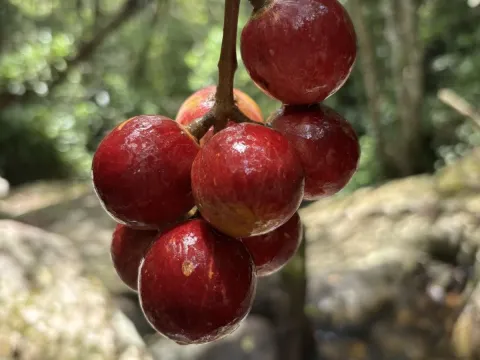
Cabralea
Cabralea
Cabralea is a genus of evergreen trees belonging to the Meliaceae family. The most prominent species, Cabralea canjerana, is native to the tropical and subtropical forests of South America, notably in Brazil and Argentina, where it thrives in diverse forest ecosystems.
What the section contains

Cabralea
The tree requires a warm, humid tropical climate with minimal seasonal temperature variation. It typically occupies the sub-canopy layer in its natural habitat, benefiting from filtered light and protection from intense wind, which is crucial during the early stages of its development.
Regarding soil requirements, Cabralea flourishes in deep, well-draining soils with high organic matter content. It is adapted to alluvial environments where moisture is consistently available, yet it maintains good tolerance for different types of tropical soil textures.
Botanically, the plant features alternate, pinnately compound leaves and panicles of flowers that produce seeds effectively. Its slow growth rate is compensated by the high density and natural durability of its timber, making it a valuable species for reforestation programs.
Economic utilization of Cabralea is primarily focused on the lumber industry. The wood is prized for its strength, aesthetic appeal, and natural resistance to decay, which makes it suitable for fine cabinetry, indoor construction, and various high-quality woodwork products.
The main pests affecting Cabralea include wood-boring beetles that target the stems and branches. These insects can cause structural damage to the wood and facilitate the entry of secondary pathogens, compromising the tree's health.
Fungal infections, such as root rot and stem canker, are common in environments with excessive moisture. These diseases often manifest in younger stands where drainage is insufficient or when the tree has sustained mechanical injuries to its bark.
Leaf spots caused by various fungal pathogens can also affect the overall vigor of the trees, particularly in nursery settings with high planting density. Reduced leaf surface area directly impacts photosynthesis and slows the tree's development.
Environmental threats, such as deforestation and habitat fragmentation, pose a significant risk to the natural gene pool of Cabralea species. Sustainable harvesting practices are essential to balance economic demand with the preservation of these forest resources.
Management strategies focus on integrated pest management (IPM) to minimize chemical reliance. Regular site inspections, proper pruning, and ensuring sufficient spacing between trees are standard practices used to mitigate the spread of pests and diseases.