
Cedrela fissilis
Cedrela fissilis
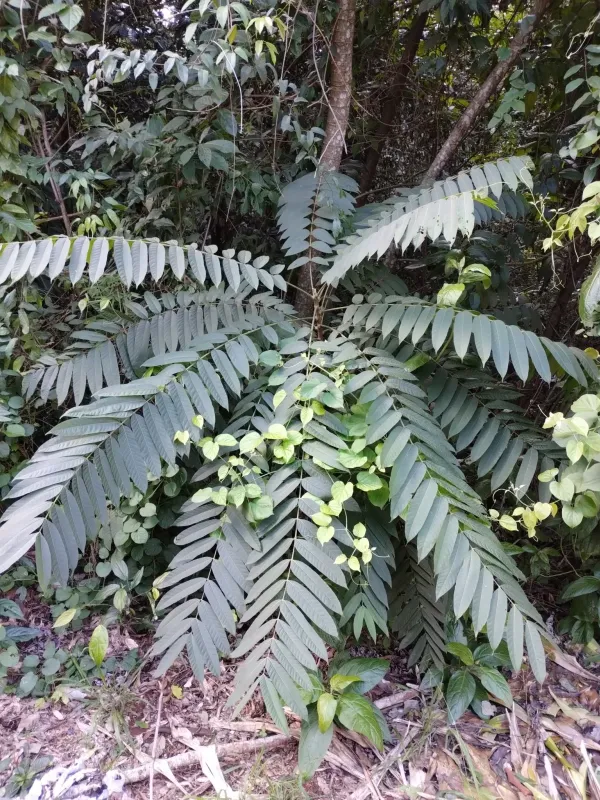
Description
Sowing dates
Cedrela fissilis belongs to the Meliaceae family and is a fast-growing species typically propagated by seeds. The seeds exhibit high germination rates but require cleaning and pre-soaking to enhance uniformity.
Sowing in nurseries is generally timed with the start of the rainy season, allowing seedlings to establish before the dry period. Containerized growth is preferred to protect root development.
Soil preparation involves deep tilling and organic fertilization, as the species is sensitive to initial nutrient shortages. Planting densities of 3 by 3 meters are standard to encourage straight trunk formation.
Seedlings require consistent maintenance, including weeding and mulching to preserve moisture. Temporary shading is crucial during the first two years to protect young plants from intense sunlight.
Outplanting occurs when seedlings reach a height of 40-60 centimeters. Careful handling is necessary to ensure the taproot remains intact, which is essential for future structural stability.
Growing requirements
This species is native to tropical rainforests across South and Central America. It thrives in deep, fertile, and well-drained soils with a neutral or slightly acidic pH balance.
Cedrela fissilis is highly shade-intolerant and requires full sunlight for optimal growth. Insufficient light leads to stunted development and crooked stems, reducing timber quality.
The ideal temperature range for this species is between 20 and 30 degrees Celsius. It is sensitive to frost and requires protection from cold winds, especially during the early juvenile stages.
High moisture availability is essential, with an annual rainfall requirement of 1200-2000 mm. However, the species cannot tolerate waterlogged soils, which lead to root decay.
Intensive metabolic activity requires supplemental fertilization, particularly with nitrogen, phosphorus, and potassium. Maintaining high relative humidity also aids in leaf health.
Main diseases and pests
The most significant threat to this species is the shoot borer moth, Hypsipyla grandella. Its larvae bore into the terminal bud, causing branching and deforming the main trunk.
Fungal pathogens such as leaf spot and root rot are prevalent in high-humidity environments with poor aeration. Prompt pruning of infected parts is necessary to prevent wider outbreaks.
Climbers and invasive vines can suppress young cedrela trees by strangling the stem and competing for light. Regular plantation maintenance and clearing are critical for survival.
Physical damage to the bark from rodents or livestock often leads to secondary infections. Protective fencing or tree guards are recommended for younger plantations.
Nutrient deficiencies, particularly copper and boron, can cause chlorosis, making trees more vulnerable to environmental stress. Preventive micronutrient applications bolster plant immunity.
Harvesting
The wood of Cedrela fissilis is highly prized for its lightness, durability, and pleasant scent. Industrial harvesting typically occurs between 25 and 40 years of age.
Technical maturity is defined by a stem diameter of at least 40 centimeters. Timely harvesting is essential to yield high-quality timber suitable for furniture and fine woodworking.
Post-harvest processing requires controlled drying to prevent splitting and warping. Proper handling during extraction helps maintain the structural integrity of the timber.
Primary applications include the production of musical instruments, high-end furniture, and decorative paneling. Natural oils in the wood provide inherent resistance to wood-boring insects.
Secondary uses include pharmaceutical extracts from bark and leaves. Integrated management of these resources increases the overall economic viability of the timber plantation.