
Carapa procera
Carapa procera
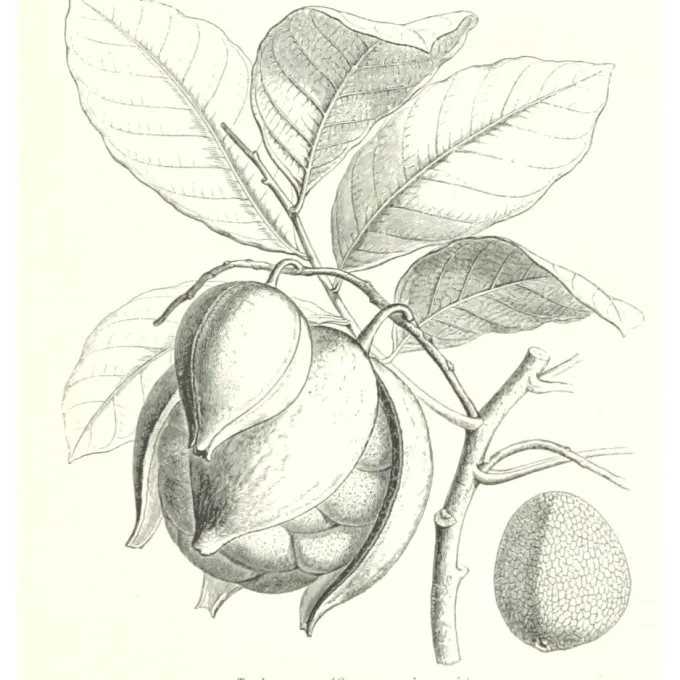
Description
Sowing dates
Propagation of Carapa procera is primarily achieved through seeds, which must be planted shortly after harvest due to their rapid loss of viability. Fresh seeds show high germination rates when kept in a moist, protected environment.
Seeds are typically sown in specialized nurseries using well-draining, nutrient-rich potting media. Planting depth should be approximately 2–3 centimeters to ensure proper moisture absorption for the embryo.
Transplanting seedlings to their final location is best performed at the onset of the rainy season. This timing ensures that young plants establish deep root systems before the onset of drier conditions.
An appropriate spacing for industrial plantations is between 6 and 8 meters between trees. Such spacing prevents canopy crowding and allows for sufficient airflow, which is critical for tree health.
Young trees exhibit vigorous early growth, making them highly successful in establishing themselves in competitive tropical environments if initial weed control is provided.
Growing requirements
Carapa procera, a member of the Meliaceae family, is a broad-leaved evergreen tree native to the tropical forests of West and Central Africa and South America. It thrives in high-humidity climates with significant annual rainfall.
The crop demands deep, fertile loamy soils with excellent water permeability. It cannot tolerate waterlogged soils, which can lead to root pathogens and stunted physiological development.
Temperature requirements are consistent throughout the year, with an ideal range of 22 to 30 degrees Celsius. The species is highly sensitive to cold and requires a frost-free environment to maintain productivity.
Shelter from direct, hot winds is essential during the early stages of development to prevent leaf scorch and excessive transpiration. Establishing windbreaks can significantly improve survival rates.
Mulching the area around the base of the tree is a recommended practice to maintain soil moisture levels and suppress the growth of competitive invasive weeds.
Yield
The economic potential of Carapa procera lies primarily in its oil-rich seeds, which are highly valued in the cosmetic and pharmaceutical industries. Yield varies significantly based on tree maturity and environmental inputs.
Trees typically reach their first productive stage within 10 to 12 years of planting. Once mature, a single tree can produce a substantial quantity of seeds annually under optimal conditions.
In addition to seed production, the wood of this species is highly prized. It is durable, resistant to decay, and possesses a fine texture that makes it a premium material for high-end furniture.
By-products of oil extraction, such as seed cake, serve as effective organic fertilizers, closing the nutrient cycle within the plantation system.
Sustainable management practices ensure consistent yields over time, allowing for long-term profitability while maintaining the ecological integrity of the planting area.
Main diseases and pests
Carapa procera is generally robust, but it can be susceptible to fungal leaf spots if grown in stagnant, overly humid conditions. Improving canopy ventilation is the primary defense against such diseases.
Specific bark-boring insects may pose risks to juvenile trees. However, the presence of bitter compounds and tannins in the tree tissues acts as a natural deterrent against many generalist pests.
Integrated pest management, including the encouragement of natural predators, is preferred over chemical interventions. Monitoring for early signs of infestation is key to successful control.
Strict adherence to quarantine and nursery hygiene prevents the spread of regional diseases. Keeping a plantation diverse can also reduce the probability of widespread pest outbreaks.
Nutrient deficiencies, while uncommon in fertile soils, can be addressed through foliar analysis and the application of balanced organic fertilizers when necessary.
Harvesting
Harvesting is mainly conducted by collecting mature fruits or seeds that have naturally fallen to the ground. This process requires frequent inspections of the plantation floor to prevent seed decay.
Once gathered, seeds are cleaned of debris and dried. Proper drying is a critical step; it must be done carefully to ensure the internal oil quality remains stable for extraction.
Storage requires well-ventilated, dry conditions to avoid mold growth. High humidity levels during storage are detrimental and can significantly reduce the market value of the extracted oil.
Cold pressing is the industry standard for oil extraction, ensuring the preservation of the chemical integrity of the oil. This method is highly recommended for maximizing the economic return.
Efficiency in harvest logistics, including prompt collection and careful handling, directly contributes to the success and sustainability of a commercial Carapa plantation.