
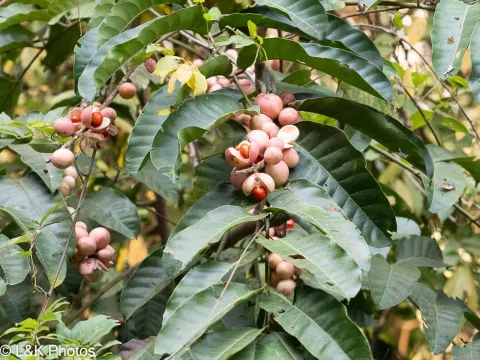
Aphanamixis
Aphanamixis
Aphanamixis is a genus of evergreen trees belonging to the Meliaceae family. These plants are native to the tropical forests of South and Southeast Asia, including regions in India, Sri Lanka, and parts of the Malay Archipelago, where they thrive in lush, humid environments.
What the section contains

Aphanamixis
The culture requires a tropical climate characterized by consistently warm temperatures and high humidity levels throughout the year. It does not tolerate prolonged dry seasons or extreme temperature fluctuations, making it suitable only for specific tropical and subtropical zones.
Successful cultivation requires deep, well-draining, and nutrient-rich soil. While the tree appreciates high moisture levels, it is susceptible to root rot if the soil remains waterlogged, so proper site selection with adequate drainage is essential for healthy development.
Botanically, these trees are recognized by their pinnately compound leaves and small, panicle-borne flowers. The fruit is typically a leathery capsule that splits upon maturity to reveal seeds often covered by a brightly colored aril, which aids in dispersal by local fauna.
Economically, Aphanamixis is primarily valued for its durable and high-quality timber used in cabinetry, furniture making, and construction. Furthermore, traditional medicine systems in its native regions utilize extracts from its bark and seeds for various therapeutic purposes.
Fungal pathogens represent the most significant threat to Aphanamixis plantations, particularly in environments with poor air circulation or excessive soil saturation. Such conditions frequently trigger root and trunk decay, which can severely stunt the growth of young trees.
Insect pests, including various wood-boring beetles and defoliating insects, pose a constant challenge to plant health. Infestations can compromise the structural integrity of the wood, rendering it unsuitable for high-grade commercial timber applications.
Habitat loss due to deforestation remains the most critical threat to wild populations of the genus. The conversion of tropical forests into agricultural land reduces the natural diversity of these trees, emphasizing the need for sustainable plantation management.
Maintaining ecological balance is vital for pest control, as chemical interventions are often problematic in sensitive tropical ecosystems. Integrated pest management strategies that emphasize sanitation and plant health are the preferred approach for growers.
Regular monitoring of the canopy and trunk health is necessary to detect early signs of pest or disease outbreaks. Proactive thinning of plantation areas can prevent the buildup of humidity, thereby significantly reducing the risk of fungal proliferation.