
Sycoparrotia
Sycoparrotia
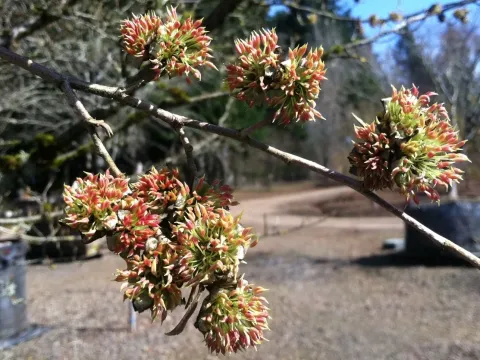
Sycoparrotia (latin name: Sycoparrotia) is a distinctive intergeneric hybrid plant resulting from the crossing of Sycopsis sinensis and Parrotia persica. Belonging to the Hamamelidaceae family, it showcases unique characteristics of both parent genera.
What the section contains
Sycoparrotia
Botanically, it is classified as a small tree or a large, robust shrub. It is highly valued for its leathery foliage and elegant branching structure, which makes it a standout feature in any botanical collection or private garden.
The plant requires well-drained, fertile soil with a slightly acidic to neutral pH level. It does not tolerate waterlogging, so soil preparation with organic matter and proper drainage systems is highly recommended for optimal health.
Regarding climate, Sycoparrotia prefers temperate zones with mild winters. It thrives in positions that provide protection from harsh, drying winds. While it enjoys sunlight, partial shade is often preferred in hotter climates to prevent leaf scorch.
The primary use of this culture is strictly ornamental. It serves as an excellent architectural element in landscape design, being suitable for specimen planting, mixed shrub borders, or ornamental hedges in public parks and private estates.
Like many members of the Hamamelidaceae family, Sycoparrotia is susceptible to root diseases if the soil remains excessively wet. Ensuring that the planting site has superior aeration is the most effective preventative measure for root health.
Common pests include spider mites, which may infest the foliage during hot and dry summer months. Regular monitoring and maintaining proper plant hygiene are essential to keep the specimens healthy and aesthetically pleasing throughout the year.