
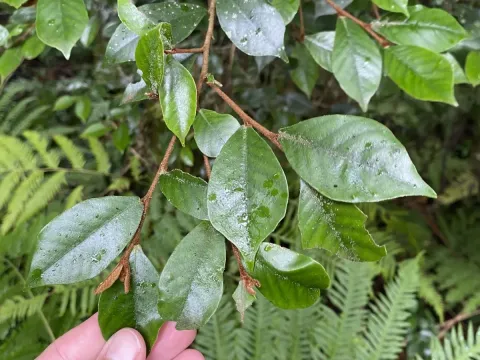
Trichocladus
Trichocladus
Trichocladus is a genus of evergreen shrubs and small trees belonging to the Hamamelidaceae family. Native primarily to the southern regions of Africa, these plants have adapted to various environments ranging from dense forest understories to more exposed mountain slopes.
What the section contains

Trichocladus
The botanical identity of the plant is defined by its pubescent (hairy) leaves and shoots, a feature from which its name is derived. The foliage is typically evergreen, coriaceous, and arranged in an opposite pattern along the stems, providing a year-round aesthetic appeal.
Climatic requirements for Trichocladus include a temperate or subtropical environment. They thrive in areas that are free from severe frost, as the plants are susceptible to cold damage. They generally perform best in locations with filtered sunlight or light shade, avoiding the intensity of midday sun.
Regarding soil conditions, Trichocladus demands a well-draining medium that is rich in organic matter. They are highly intolerant of waterlogged soil, which can rapidly lead to root rot. A slightly acidic to neutral soil pH is ideal for promoting optimal nutrient uptake.
In terms of practical usage, Trichocladus is predominantly cultivated for ornamental purposes. It is frequently employed in landscaping to provide structure and greenery, often serving as a focal point or a component of mixed borders in warm-climate gardens and botanical conservatories.
Pathogenic challenges for Trichocladus are often linked to improper irrigation practices. Fungal infections, which thrive in humid and stagnant conditions, can compromise the root system and foliage, leading to premature leaf drop or dieback of branches.
Pests that commonly affect this plant include spider mites, scale insects, and aphids. These organisms extract sap from the plant tissue, which can stunt new growth and cause the leaves to become discolored or distorted, particularly when the plant is under abiotic stress.
Effective management of these threats involves cultural controls such as ensuring adequate spacing between plants to facilitate air movement. Reducing humidity within the plant canopy is crucial for preventing the rapid spread of fungal spores during the growing season.
When chemical intervention is necessary, the use of targeted horticultural oils or systemic insecticides is recommended to manage pest populations without causing excessive harm to the plant's natural structure. Early detection is vital for the successful recovery of affected specimens.
Maintaining high horticultural standards, including regular monitoring and the prompt removal of infected plant tissue, helps sustain the overall health of the crop. Providing a consistent, well-balanced nutritional regime also enhances the plant's natural resilience against environmental and biotic threats.