
Parrotiopsis
Parrotiopsis
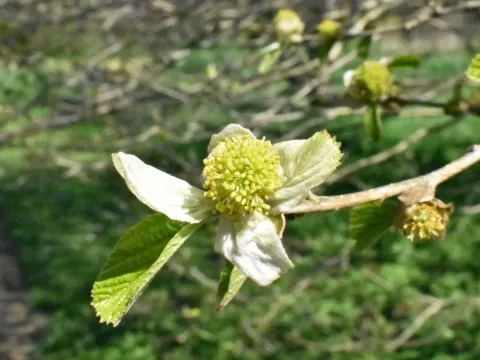
Parrotiopsis (Parrotiopsis jacquemontiana) is a deciduous shrub or small tree belonging to the Hamamelidaceae family. Native to the mountainous regions of the Western Himalayas, this plant thrives in temperate climates at high altitudes where the air remains cool and fresh throughout the growing season.
What the section contains

Parrotiopsis
To cultivate this species successfully, it is essential to provide a location with partial shade or filtered sunlight, especially protecting it from scorching mid-day heat. The plant is valued for its unique floral display, consisting of heads of small, inconspicuous flowers surrounded by large, showy white bracts that appear in late spring.
Soil requirements focus on fertility and moisture management. Parrotiopsis prefers deep, well-drained, humus-rich soil that remains consistently moist but never waterlogged. Incorporating organic compost during planting helps improve soil structure and provides necessary nutrients for steady growth.
Botanically, the plant is characterized by its hazel-like, rounded leaves with serrated margins, which offer a lush appearance throughout the summer. It possesses a slow to moderate growth rate, making it an excellent choice for ornamental landscaping where a structured, non-invasive woody plant is desired.
In landscape architecture, Parrotiopsis is utilized as a specimen plant or in shrub borders. Its distinctive white bracts make it a focal point in the garden, providing a sophisticated aesthetic that blends well with other woodland or shade-loving ornamental shrubs and perennials.
Parrotiopsis is generally resilient to pests and diseases, provided that its environmental requirements are met. The most common issues arise from improper soil moisture, specifically root rot caused by poor drainage, which is the primary threat to the long-term health of the shrub.
While not highly susceptible to insect attacks, the plant can occasionally host aphids or spider mites during periods of extreme heat or drought. Keeping the plant hydrated and ensuring good air circulation within the canopy helps minimize the risk of such infestations.
Disease management relies on cultural practices such as regular pruning to remove dead or diseased branches. This improves airflow and reduces the likelihood of fungal pathogens establishing themselves on the foliage or bark during humid conditions.
Chemical intervention should be considered a last resort. Instead, focus on using organic fertilizers to promote vigorous growth, which naturally increases the plant's resistance to minor pest pressures and environmental stressors throughout the year.
It is important to monitor the foliage throughout the growing season for any signs of discoloration or spots. Prompt removal of damaged leaves and appropriate sanitation of tools will go a long way in preventing the spread of any accidental infections within the garden collection.