
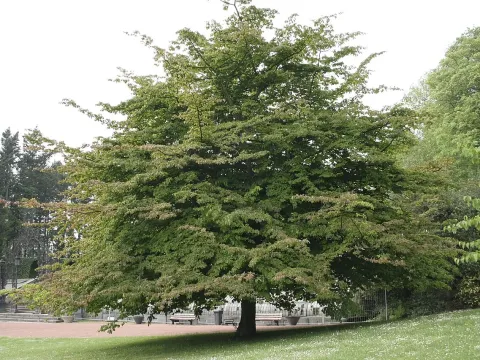
Parrotia
Parrotia
Parrotia, commonly known as Persian ironwood, is a deciduous tree belonging to the Hamamelidaceae family. It is renowned for its extremely hard wood and spectacular autumnal foliage, which makes it a highly prized specimen in ornamental horticulture.
What the section contains

Parrotia
Native to the forests of northern Iran and the Caucasus, the tree thrives in regions with moderate moisture. It generally prefers deep, fertile, and slightly acidic to neutral soils that provide excellent drainage, as the species does not tolerate waterlogging.
Regarding climate, Parrotia prefers locations with full sun to partial shade. Exposure to sunlight is crucial for the development of its vibrant fall colors, ranging from intense yellow to deep crimson and purple, which define its seasonal aesthetic.
Cultivation success depends on providing a site that is sheltered from strong, desiccating winds, especially for younger specimens. While established trees are quite hardy, supplemental watering is necessary during prolonged dry spells to maintain overall tree vigor.
The growth rate of the plant is relatively slow, which necessitates patience from the grower. Regular mulching around the root zone is recommended to retain moisture and suppress weed growth, ensuring the root system stays cool and hydrated throughout the summer.
One of the primary benefits of planting Parrotia is its remarkable resistance to common pests and diseases. Unlike many other deciduous trees, it is rarely bothered by significant infestations, which reduces the need for chemical intervention.
The most common issue encountered by growers is root rot, which is almost exclusively caused by poor soil drainage. Ensuring a proper planting site that prevents standing water is the single most effective way to protect the tree from fungal issues.
Although rare, some leaf-feeding insects might occasionally appear during particularly dry seasons. However, these rarely cause enough damage to justify treatment, as the tree usually recovers its health quickly once conditions stabilize.
Powdery mildew can occasionally affect foliage if the tree is planted in an area with poor airflow and high humidity. Proper spacing between trees and adequate pruning are the standard cultural practices used to prevent the spread of such pathogens.
Overall, the health of a Parrotia tree is highly correlated with site selection. When placed in the correct environment with sufficient drainage and space to grow, it remains largely maintenance-free throughout its long lifespan.