
Sinowilsonia
Sinowilsonia
Sinowilsonia, specifically the species Sinowilsonia henryi, is a rare genus of deciduous trees and shrubs within the Hamamelidaceae family. Native to the mountainous forests of central and western China, this plant is increasingly recognized for its unique aesthetic value in horticulture.
What the section contains

Sinowilsonia
The cultural success of this plant depends heavily on emulating its natural habitat. It thrives best in sheltered locations that are protected from harsh, drying winds, making it an excellent choice for ornamental gardens, provided the local microclimate is relatively stable and temperate.
When selecting a planting site, deep, fertile, and well-drained loamy soils are essential. Sinowilsonia is highly intolerant of waterlogged conditions, which can quickly lead to root rot; therefore, providing an effective drainage system during the initial planting phase is a mandatory agricultural requirement.
Light preferences for Sinowilsonia center on dappled shade. While it can handle some exposure, excessive direct sunlight during peak summer hours can damage the foliage. Ideally, place the plant in a location where it receives filtered light throughout the day to ensure optimal health and leaf color.
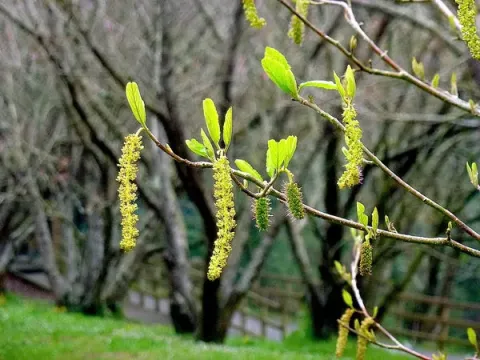
Botanically, the plant is noted for its distinctive catkin-like inflorescences and woody fruit capsules that persist long after the leaves have fallen. This trait provides long-lasting visual interest, often spanning through the late autumn and early winter months in cooler regions.
Sinowilsonia is generally considered a robust species regarding traditional garden pests. However, during periods of prolonged heat and low humidity, it may become susceptible to spider mite infestations. Monitoring the undersides of leaves during these periods is a critical maintenance task.
Fungal pathogens such as powdery mildew can affect the plant if grown in environments with poor air circulation and high ambient moisture. Application of preventative fungicides or increasing space between trees can mitigate this risk, ensuring the canopy remains healthy and free of disease.
Root rot caused by Phytophthora species is the most severe threat to young specimens. This often occurs due to poor soil structure or overwatering. Maintaining a balanced soil moisture level is vital, as is ensuring that the root collar remains free from excessive soil accumulation or mulch.
Sanitary pruning is essential to prevent the spread of infections. If dead or damaged wood is observed, it should be removed promptly using sanitized pruning shears. This practice encourages better airflow throughout the canopy and helps the tree focus its energy on healthy growth rather than compartmentalizing decay.
Finally, maintaining the soil's health through sustainable practices like periodic mulching provides a layer of protection against temperature fluctuations. This simple action helps maintain soil microbial activity, which is crucial for the long-term vitality of this slow-growing ornamental tree.