
Sycoparrotia semidecidua
Sycoparrotia semidecidua
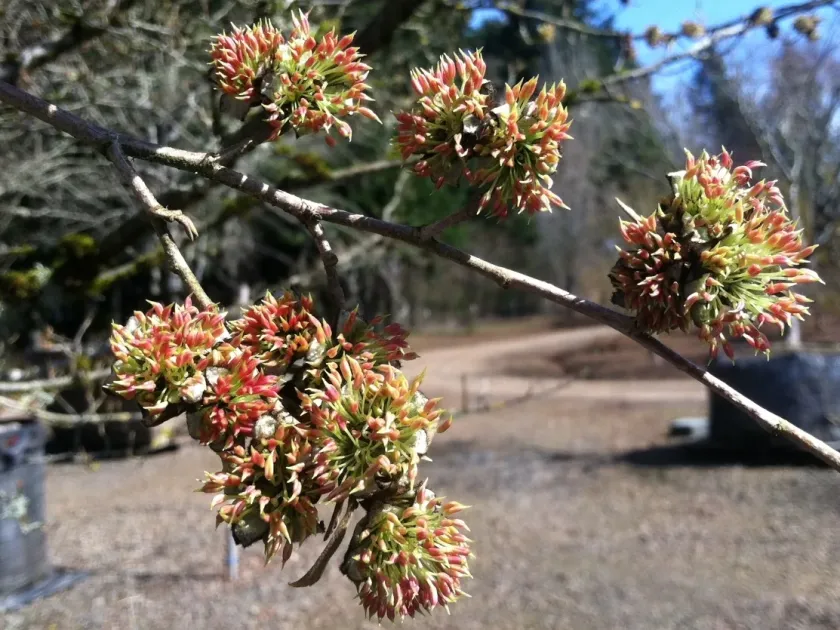
Description
Growing requirements
Sycoparrotia semidecidua is a notable intergeneric hybrid resulting from the cross-breeding of species within the Sycopsis and Parrotia genera. As a member of the Hamamelidaceae family, it stands out as an ornamental woody plant appreciated for its semi-evergreen foliage and unique structural characteristics.
The plant requires a temperate climate with consistent moisture levels and protection from harsh, desiccating winds. Ideal sites include sheltered spots in gardens where the plant can receive partial shade, which mimics its natural environment and prevents leaf scorch during peak summer temperatures.
Soil requirements for optimal health involve well-drained, nutrient-rich media with an acidic to neutral pH. It is crucial to avoid heavy, waterlogged soils, as the root system of Sycoparrotia is prone to decay if submerged in stagnant water for prolonged periods during the dormant season.
Cultural practices include regular mulching around the base to stabilize soil temperature and retain moisture. During the initial years of establishment, the shrub requires careful monitoring of irrigation levels, especially during dry spells, to support root development and overall vegetative growth.
In terms of хозяйственное usage, Sycoparrotia is primarily valued in the horticultural industry as a specimen plant. It is widely used by landscape architects to create aesthetic focal points due to its dense branching habit and seasonal foliage changes that add color and texture to botanical landscapes.
Main diseases and pests
The primary threats to the cultivation of this species include various fungal pathogens that thrive in damp, poorly aerated conditions. Root rot and leaf spot are common issues if the plant is improperly positioned or if the drainage of the site is compromised.
Pest pressures are generally manageable but can include infestations of scale insects or aphids. Regular scouting and preventative care, such as ensuring proper plant spacing to increase air circulation, are the most effective methods to mitigate these risks and maintain a healthy ornamental display.