
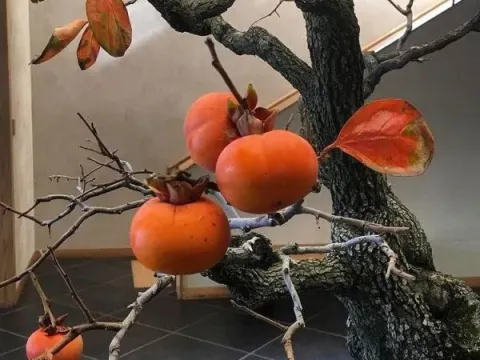
Chinese persimmon
Diospyros sinensis
The Chinese persimmon (Diospyros sinensis) is a distinctive fruit-bearing tree belonging to the Ebenaceae family. It is highly valued for its dense foliage and nutritious, sweet fruits that ripen in late autumn.
What the section contains
Chinese persimmon
Native to East Asia, this species thrives in climates where warm summers and mild winters dominate. Its historical range reflects its adaptation to mountainous and valley regions with high humidity levels and rich soil composition.
Success in cultivation requires well-drained, fertile soil that maintains moisture without becoming waterlogged. Clay or sandy loams are generally preferred, provided they are rich in organic matter to support root development.
The tree requires a site with full sunlight exposure to ensure proper fruit maturation. Protection from cold, desiccating winds is essential for young trees to prevent damage to the bark and buds during the dormant season.
Agrotechnical management should focus on regular canopy thinning, which improves air circulation and fruit quality. Soil nutrient levels should be managed through balanced fertilization, focusing on nitrogen early in the season and potassium later.
Productivity levels depend heavily on local microclimate conditions and the presence of suitable pollinators. Mature trees, when well-tended, provide consistent and abundant harvests that can satisfy both local market and commercial demands.
The fruit is used in a wide array of culinary applications, from fresh consumption to preservation, drying, and ingredient blending in desserts. Its versatile nature makes it a key crop in various agricultural systems.
Like many trees in its family, it is susceptible to specific fungal pathogens that target leaves and fruits, often exacerbated by stagnant moisture. Maintaining an open tree structure is the primary cultural practice to mitigate these risks.
Common insect pests include scale insects and various mites that feed on sap. Integrated pest management strategies, combining biological controls and selective chemical applications, are recommended for long-term orchard health.
Harvesting usually occurs when the fruit reaches its full color and begins to soften. Hand-picking is the standard practice, as the thin skin of the fruit is highly susceptible to bruising and post-harvest decay if handled roughly.