
Diospyros argentea
Diospyros argentea
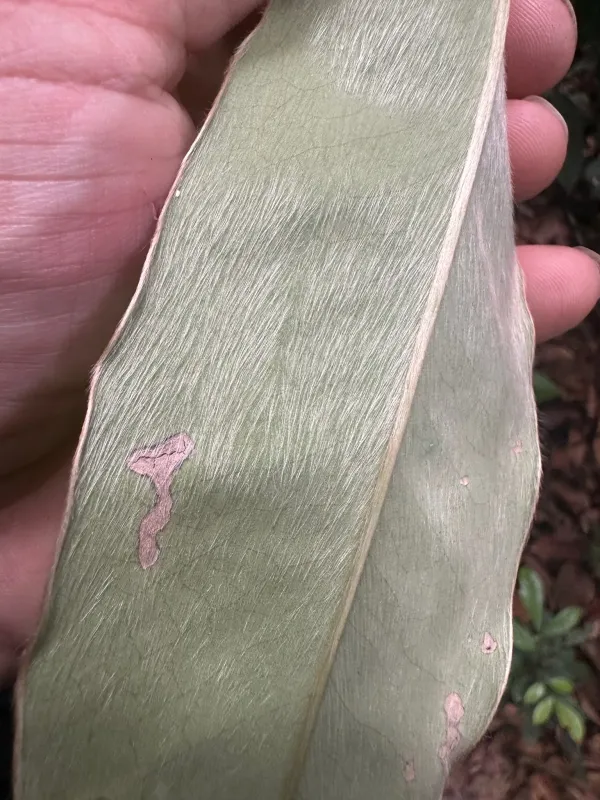
Description
Sowing dates
Propagation of Diospyros argentea is primarily achieved through seeds, requiring specific conditions in nurseries to ensure a high germination rate.
Seeds should be planted in well-draining, nutrient-rich soil and kept in a warm environment with temperatures consistently above 25 degrees Celsius.
Due to the hard seed coat, pre-sowing treatments such as scarification or soaking in water are recommended to speed up the emergence of sprouts.
Seedlings develop slowly during the first year, making it essential to provide them with partial shade and protection from harsh environmental elements.
Transplanting into final locations should be done only when the root system is robust enough to handle the stress of relocation in tropical soils.
Growing requirements
Diospyros argentea is a member of the Ebenaceae family, native to tropical regions where it thrives under consistently high humidity and temperatures.
The tree prefers deep, fertile, and well-draining soils, avoiding waterlogged areas that may cause root rot or hinder oxygen access to the roots.
It requires a tropical or equatorial climate, as the species is sensitive to frost and extreme cold, which can result in significant damage to its structure.
Sufficient light is necessary for healthy development, although adult trees show a degree of tolerance to the shaded conditions of the lower forest canopy.
Regular maintenance, including proper spacing and soil aeration, is crucial for supporting the slow but steady growth of this woody species.
Yield
The primary economic output of Diospyros argentea is its high-quality, dense timber, which is highly sought after for its durability and aesthetic appeal.
While the tree also produces edible fruits, their commercial scale is localized, and they serve primarily as an additional resource for local communities.
Yield estimation for wood production is based on long-term growth cycles, as the heartwood requires decades to achieve the desired density and dark color.
Environmental factors such as rainfall distribution significantly influence the annual yield of fruits during the flowering and fruit-set stages.
Integrated forest management practices are essential to ensure a continuous yield while preserving the biological integrity of the ecosystem.
Main diseases and pests
Fungal diseases are among the most significant threats to Diospyros argentea, especially in regions with high humidity and poor air circulation.
Leaf-eating insects and scale insects frequently target young foliage, which necessitates careful monitoring during the early stages of the tree's growth.
Maintaining proper distance between planted specimens helps to prevent the rapid spread of infections throughout a plantation or nursery.
Root rot, often caused by overwatering, remains a critical risk that can lead to rapid decline in the health of young saplings.
Effective pest management involves early detection and the use of organic deterrents to minimize environmental impact on the surrounding forest area.
Harvesting
The harvest of fruits is conducted manually as they ripen, requiring careful handling to prevent bruising and to maintain their quality for short-term consumption.
Timber harvesting requires strict adherence to sustainable forestry practices, ensuring that only mature specimens are selected for logging.
Post-harvest processing of the fruit should be swift, as the pulp is prone to rapid spoilage when stored in ambient tropical temperatures.
Seasoned wood requires specialized drying techniques to prevent checking and warping, ensuring the material remains suitable for high-end carpentry.
Sustainable harvesting strategies focus on selective logging and the protection of young trees to support the long-term regeneration of the population.