
Diospyros areolata
Diospyros areolata
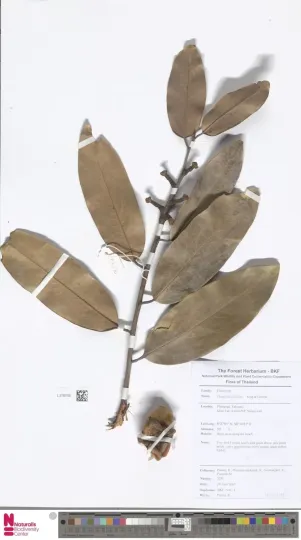
Description
Growing requirements
Diospyros areolata is a notable species within the Ebenaceae family. Native to tropical and subtropical ecosystems, this tree has adapted to humid environments where biodiversity is at its peak.
The plant thrives in regions where temperatures remain high throughout the year. It lacks cold hardiness, making it unsuitable for open-field cultivation in temperate climates unless grown in controlled greenhouse conditions.
Soil requirements involve a deep, fertile, and well-draining substrate. Because of its tropical origin, the tree is highly sensitive to root asphyxiation, necessitating soil with excellent porosity to prevent waterlogging.
The botanical classification is derived from its distinct leaf morphology, specifically the areolate venation pattern. This feature is a key identification tool for botanists and researchers studying the genus.
In terms of practical utility, the species is mainly held in botanical gardens. Its wood, like other members of the ebony genus, is known for its durability, though the species is generally not considered a commercial crop for mass production.
Main diseases and pests
Fungal infections represent the primary threat to the health of Diospyros areolata. High humidity levels in its natural habitat often lead to leaf spot diseases if the canopy ventilation is insufficient.
Pest pressure from scale insects and mealybugs can be significant, especially for saplings or trees grown in greenhouses. These pests consume vital plant juices and can introduce secondary viral infections.
Management strategies should focus on preventive pruning to ensure airflow through the branches. Keeping the environment clean and removing fallen leaves helps reduce the inoculum levels of potential pathogens.
Nutrient deficiency can also predispose the tree to various environmental stressors. A balanced fertilization program, tailored to the specific needs of tropical evergreens, is essential for maintaining natural resistance.
Monitoring for signs of canopy thinning or discoloration is vital. Early detection of environmental stress or pest presence is the most effective way to protect the integrity of the tree's development.