
Armed persimmon
Diospyros armata
Description
Growing requirements
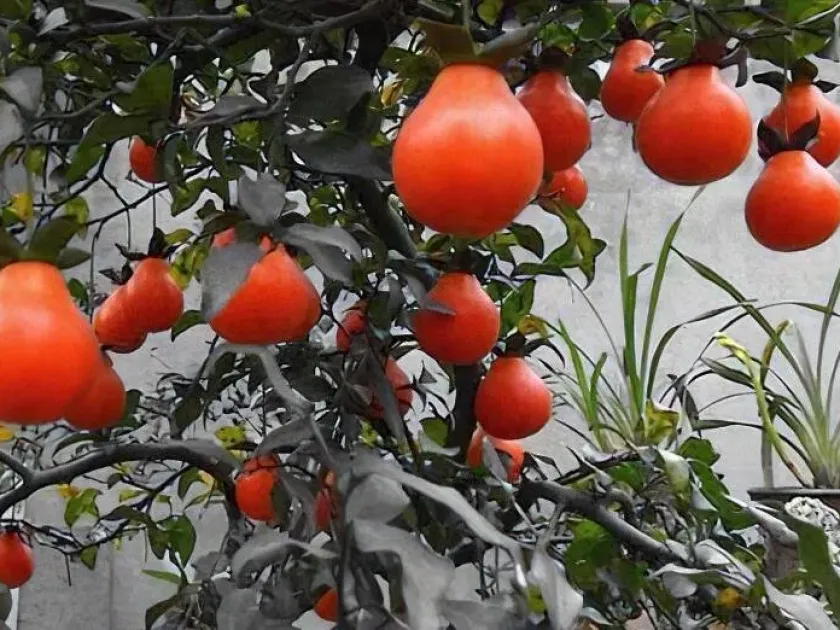
The armed persimmon (Diospyros armata) belongs to the Ebenaceae family. It is a subtropical evergreen or semi-deciduous tree native to the forest regions of Southern China, characterized by distinctive thorns on its branches.
This species thrives in warm, humid climates and is sensitive to frost. It is best suited for cultivation in zones where temperatures do not drop significantly below freezing, or in greenhouse conditions for protection.
Cultivation requires fertile, well-drained soil with a slightly acidic or neutral pH level. Proper drainage is essential, as the roots are highly susceptible to rot if water persists in the soil profile.
The tree prefers partial shade, especially during its younger years, to prevent scorching of the leaves. As the tree matures, it can tolerate more exposure but generally benefits from filtered sunlight to maintain optimal health.
Biologically, the tree is a unique species that shows resilience in its natural habitat but requires careful soil moisture management when introduced into managed orchard environments.
Yield
The fruit of Diospyros armata is edible, though it contains high levels of tannins, requiring specific ripening or post-harvest processing to become palatable for consumption.
Yields are primarily influenced by effective pollination. Since the species may require cross-pollination by insects, ensuring a healthy ecosystem around the orchard is beneficial for fruit set.
Fertilization with a balanced mix of potassium and phosphorus is recommended to support fruit development and strengthen the branches, which can become heavy during the ripening season.
The wood of the armed persimmon is dense and durable, characteristic of the Diospyros genus. While it is rarely harvested on an industrial scale, it remains a high-quality material for specialty woodworking.
Pruning is essential to maintain tree shape and ensure sufficient airflow within the canopy, which significantly contributes to better fruit quality and reduction of harvest losses.
Main diseases and pests
The main threats to the armed persimmon include fungal infections like leaf spot and anthracnose, which are exacerbated by high humidity and poor air circulation in the orchard.
Scale insects and mealybugs are the most common pests. They feed on plant sap and can cause significant damage to young shoots if infestations are not controlled promptly with organic pesticides.
Root rot is a major physiological threat caused by overwatering or soil compaction. Maintaining a well-aerated root zone is the best preventative measure against this common gardening issue.
To keep the tree healthy, constant monitoring is necessary. Early intervention by pruning away affected branches helps isolate the spread of diseases and pests before they infect the entire tree.
Sanitation in the orchard, such as removing fallen leaves and decaying fruit, is critical to break the lifecycle of various pathogens that can overwinter in the debris near the base of the tree.