
Diospyros atrata
Diospyros atrata
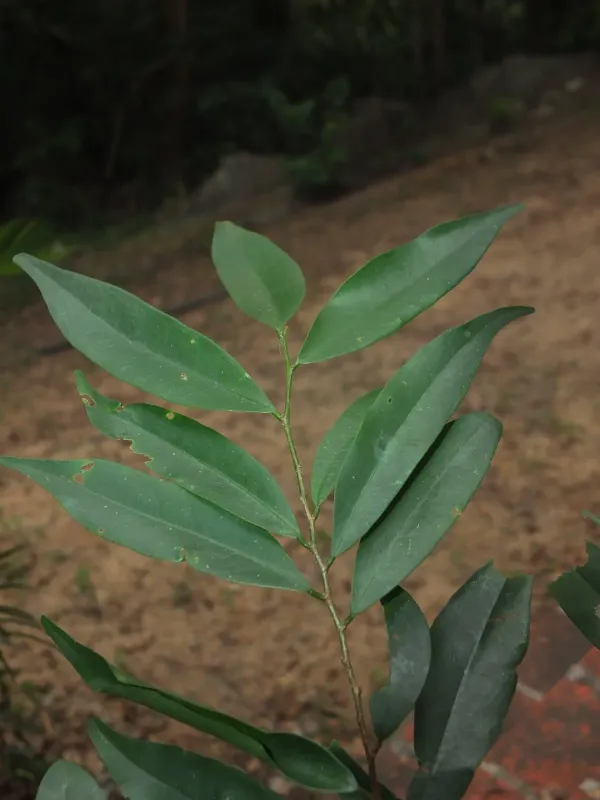
Description
Growing requirements
Diospyros atrata is a distinct species belonging to the Ebenaceae family. It is a rare evergreen tree native to the forests of the Philippines, representing an important part of the local biodiversity within its specific tropical ecological niche.
Botanically, the plant is characterized by its resilient foliage and woody structure adapted to high-humidity environments. Unlike many deciduous persimmons, this species maintains its leaves throughout the year, requiring stable tropical conditions to sustain its metabolic functions.
Cultivation requirements dictate that the plant must be provided with well-draining, nutrient-rich soil. The root system is sensitive to waterlogging, necessitating a substrate that balances moisture retention with high oxygen permeability to prevent decay.
Temperature management is critical for Diospyros atrata, as it lacks cold tolerance. Optimal growth is observed in temperatures between 20°C and 28°C, with high levels of ambient humidity being essential to replicate the natural rainforest floor conditions.
From a horticultural perspective, this species is primarily valued by collectors and botanical institutions. Its utility is largely restricted to scientific conservation efforts, as its growth rate and specific habitat needs make it unsuitable for commercial orchard production.
Main diseases and pests
The primary agricultural threat to this species is the development of pathogenic fungi, particularly root rot, which occurs when soil drainage is compromised. Managing the moisture balance is the most important step in preventing plant loss in controlled environments.
Common pests such as scale insects and mealybugs can affect the foliage of Diospyros atrata when kept in greenhouse settings. Regular monitoring and the application of mild horticultural soaps are recommended to maintain the plant's health and prevent infestation spread.